
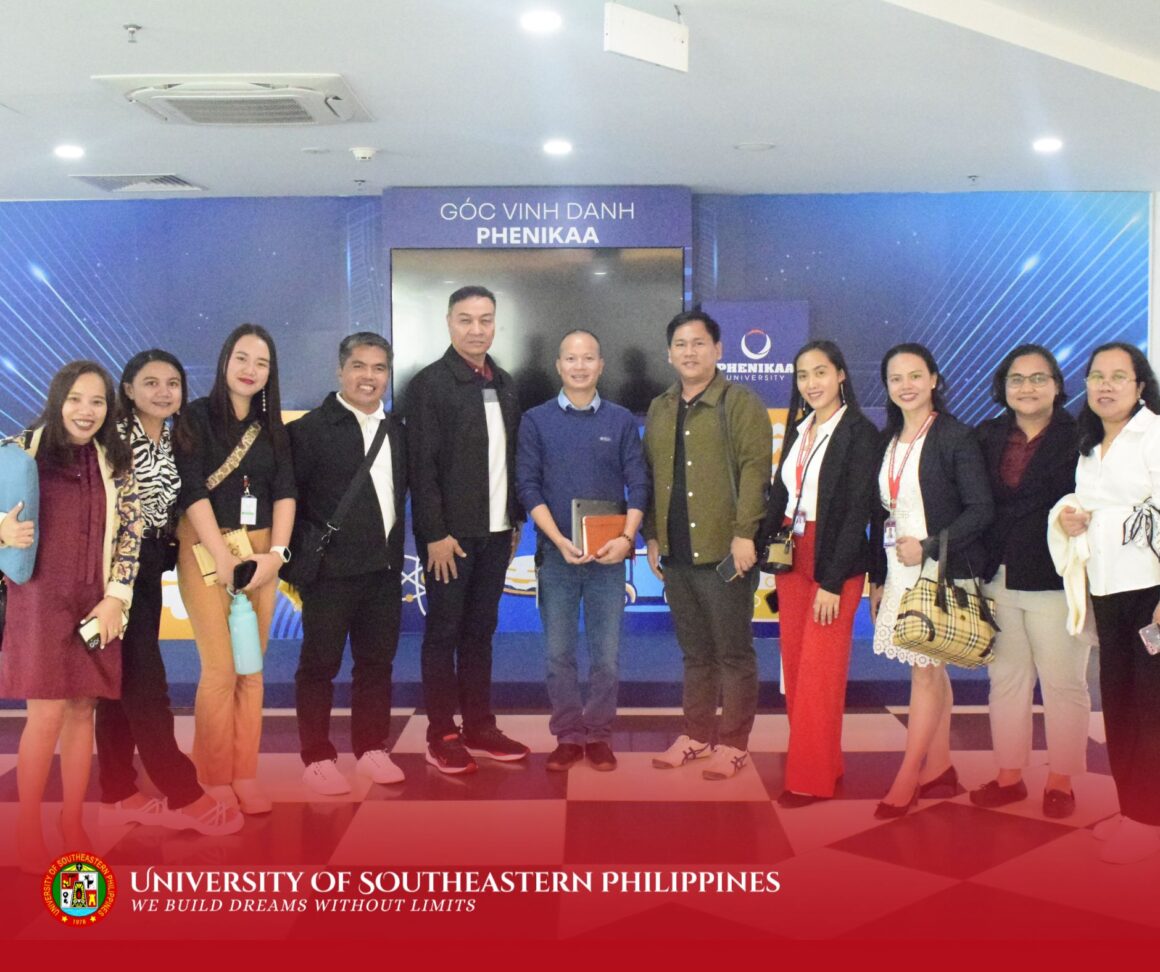
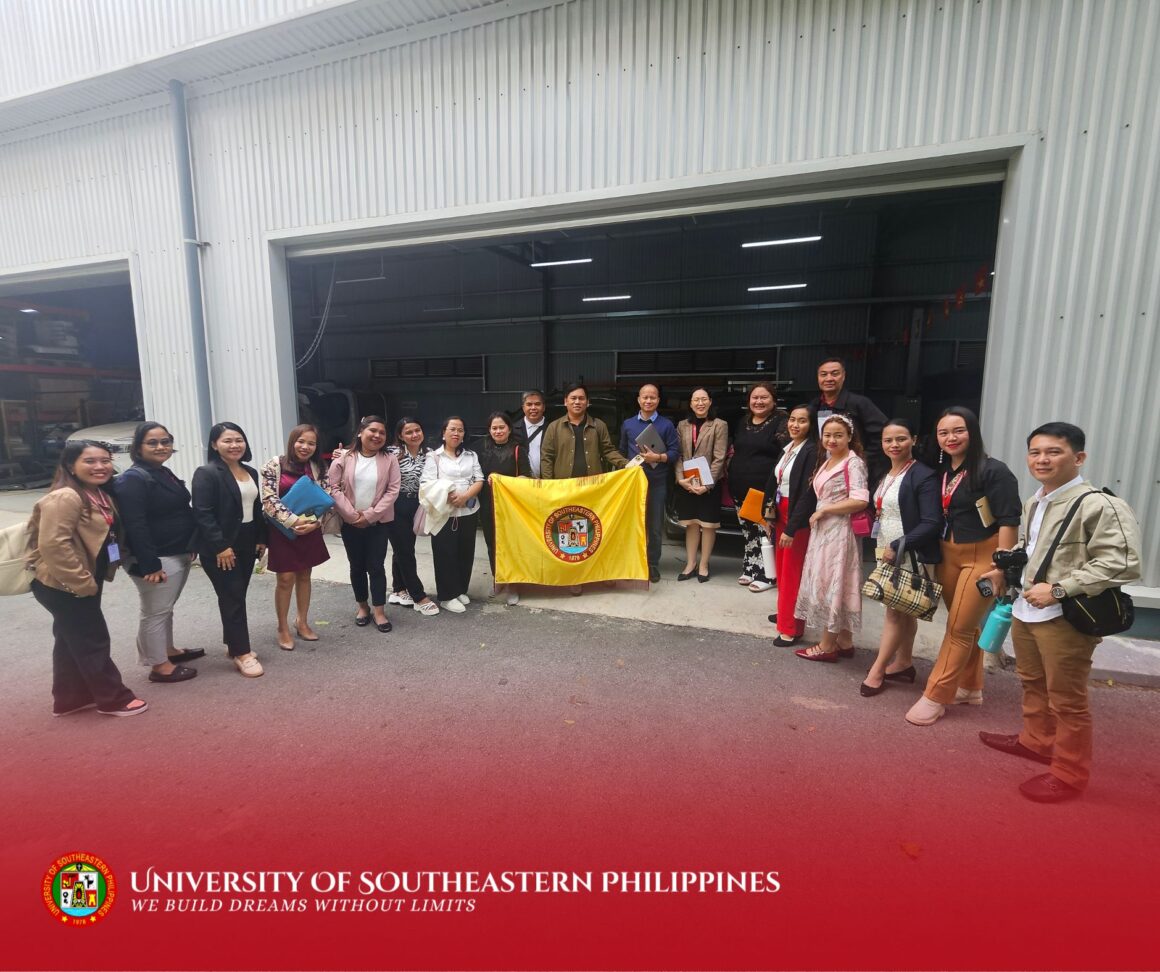
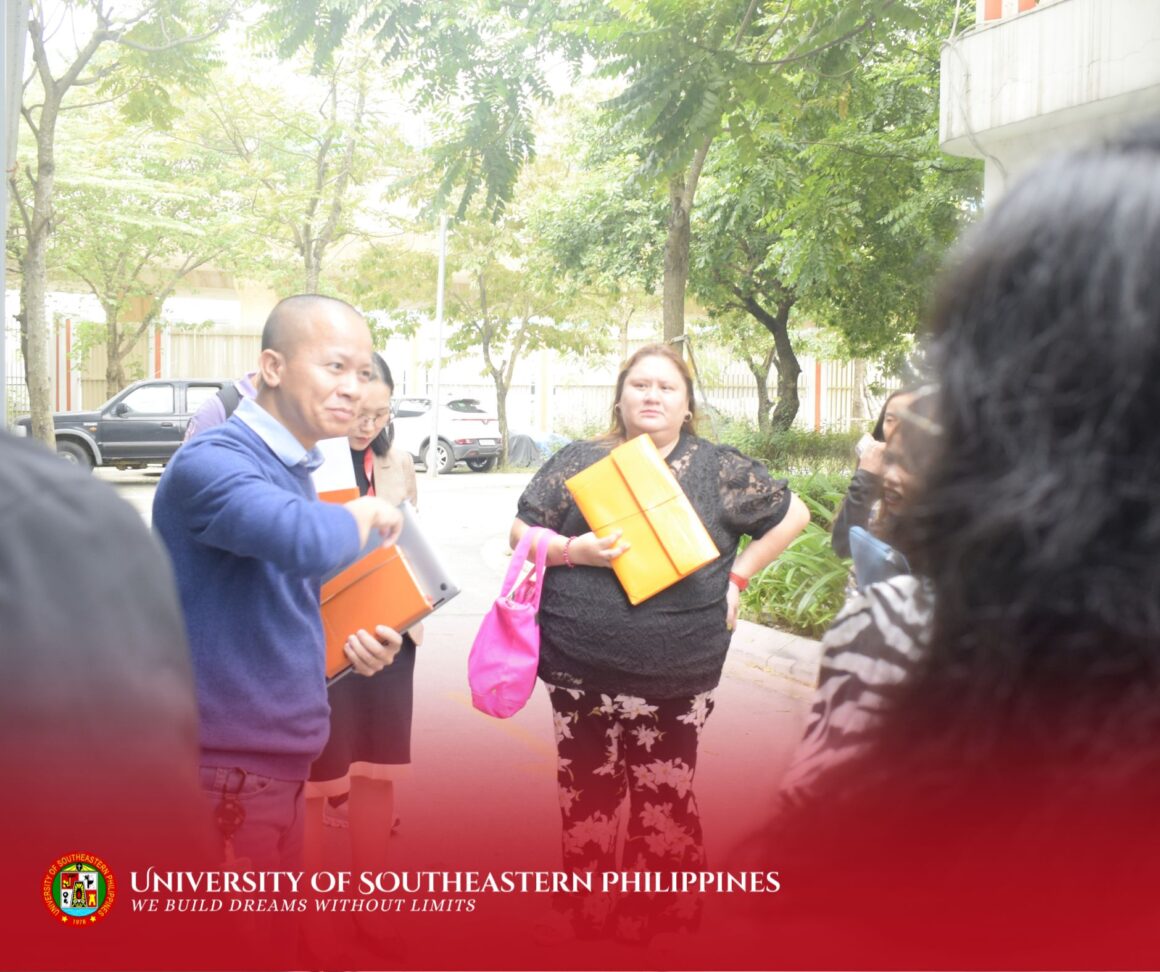
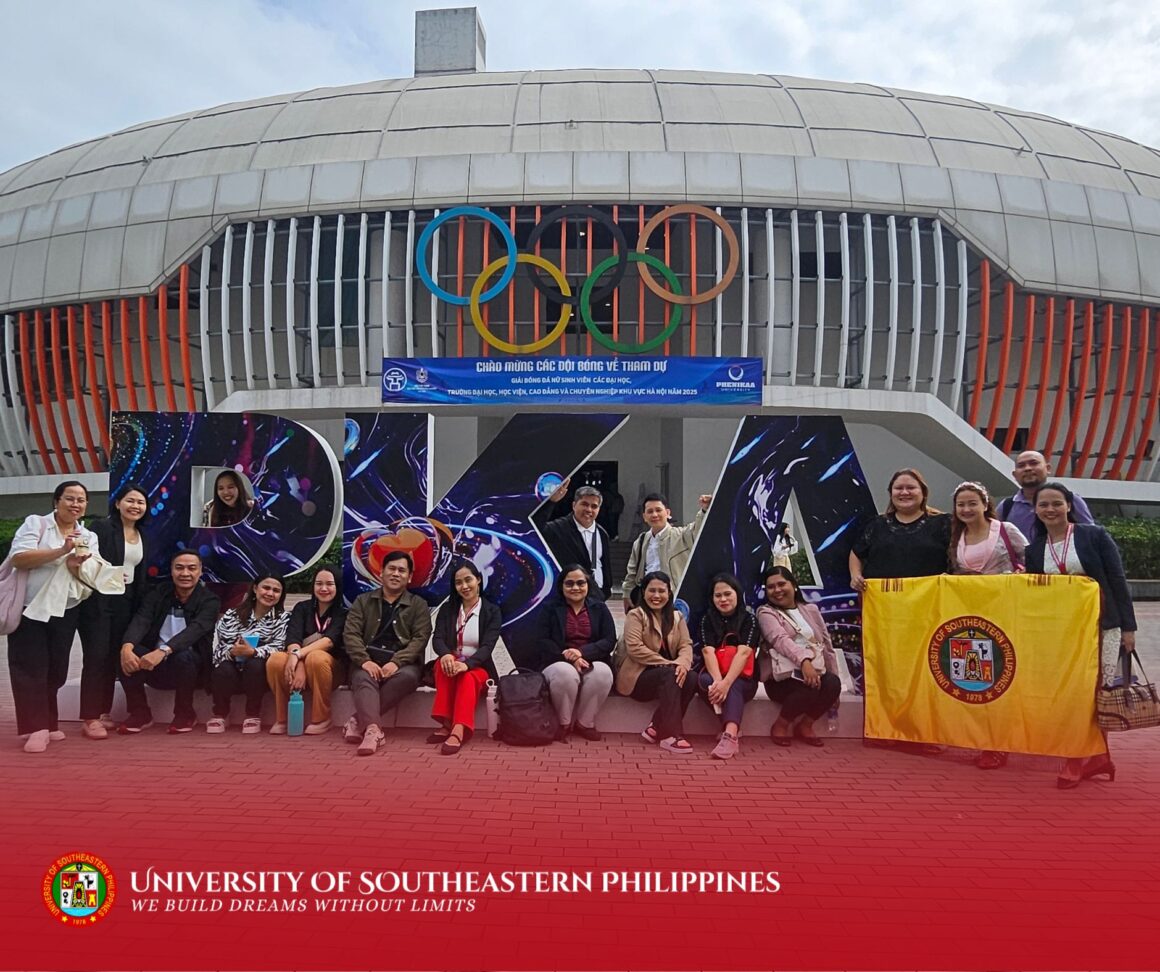
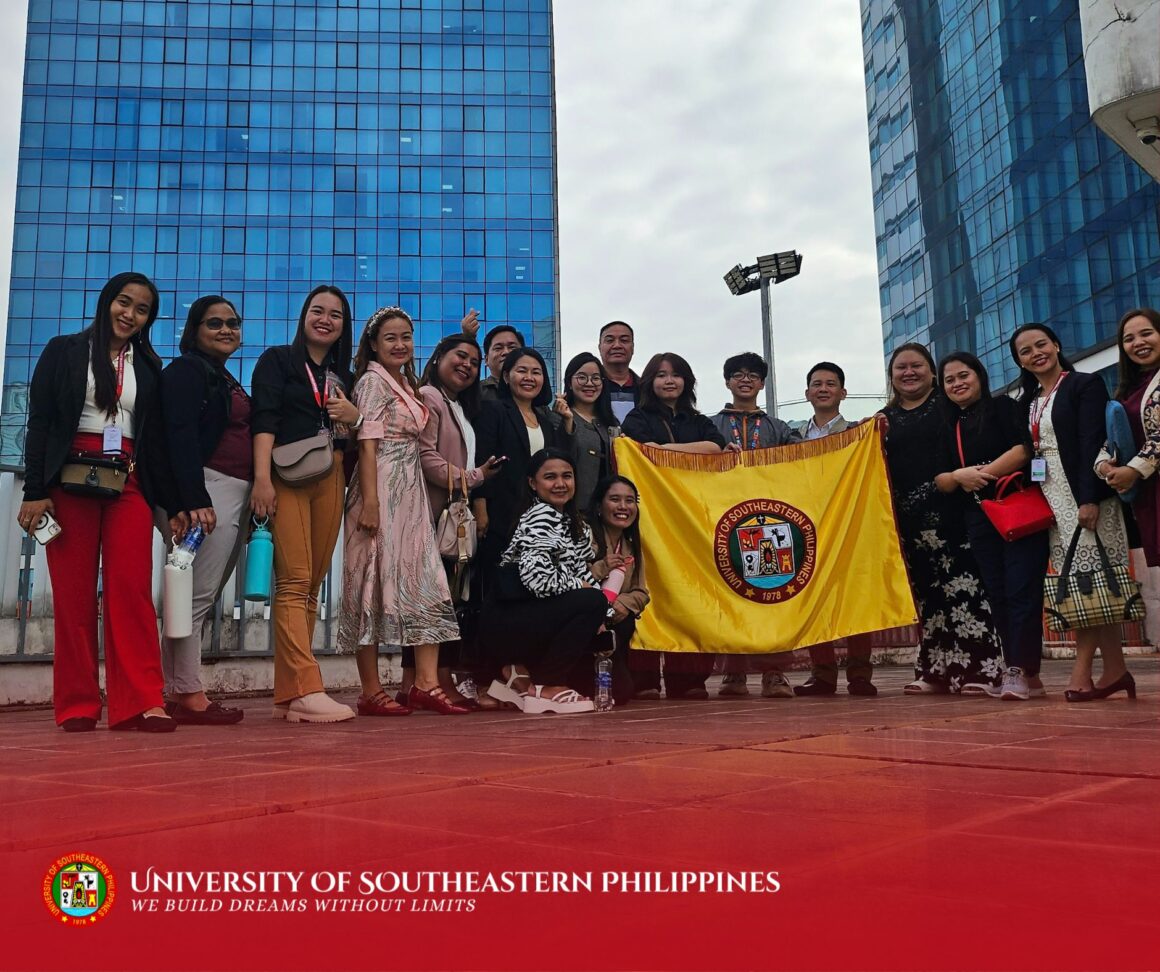
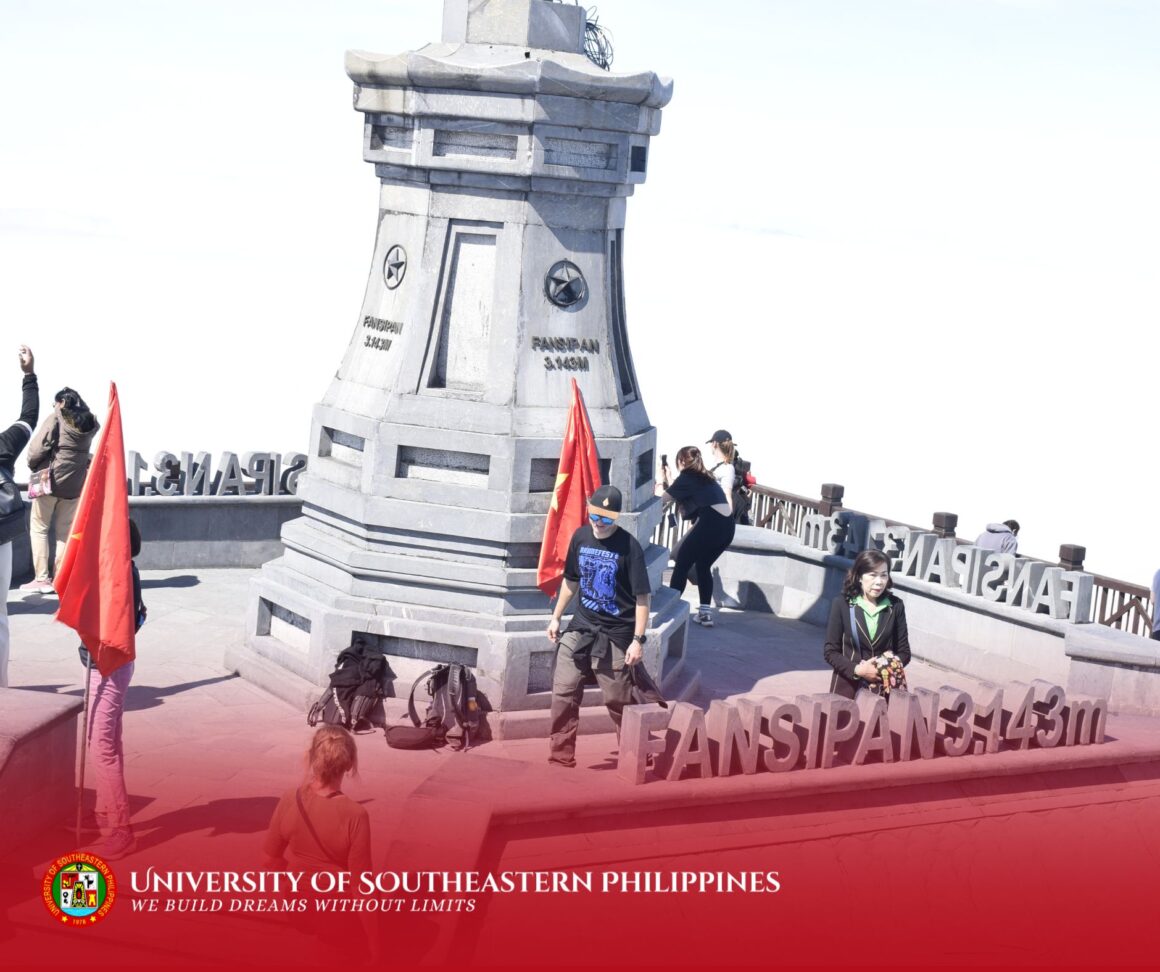
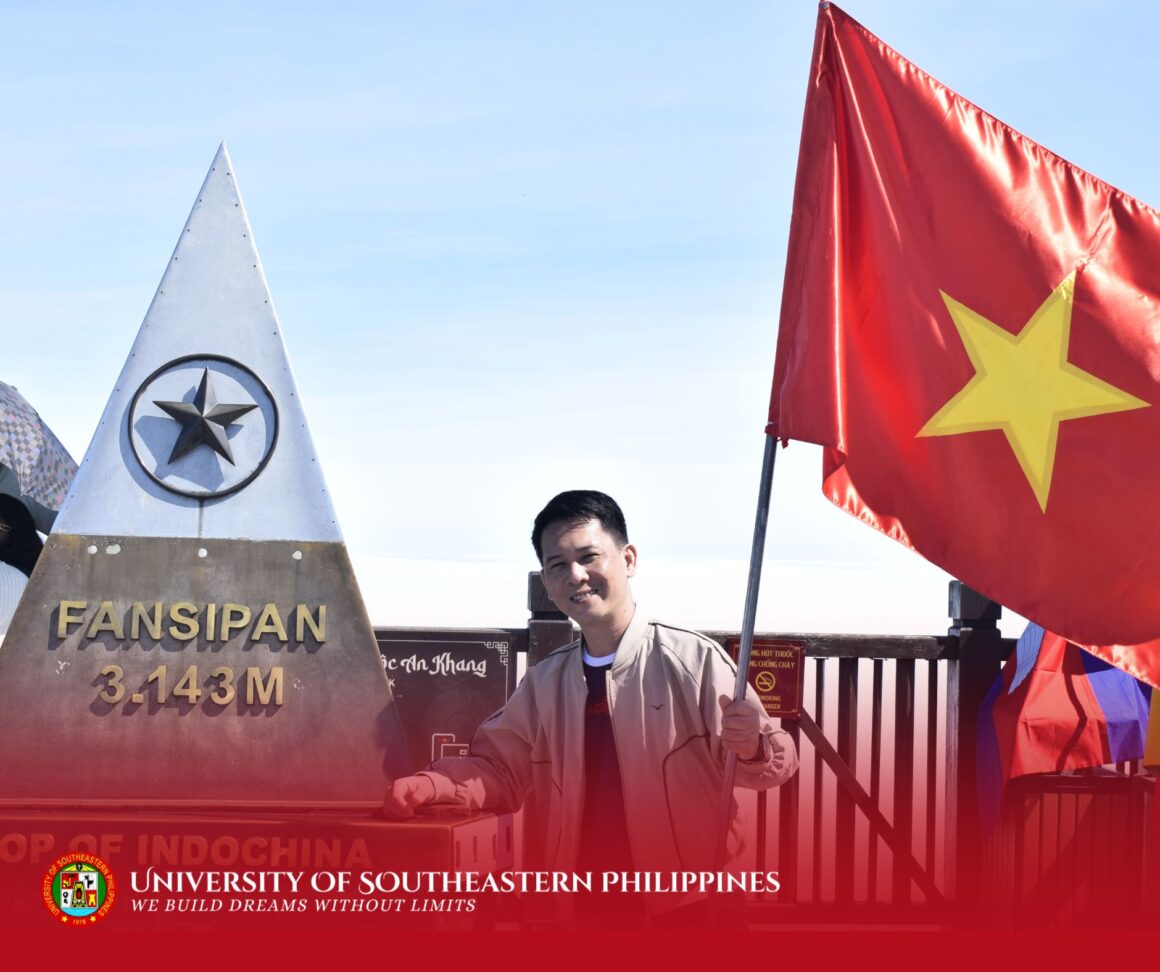
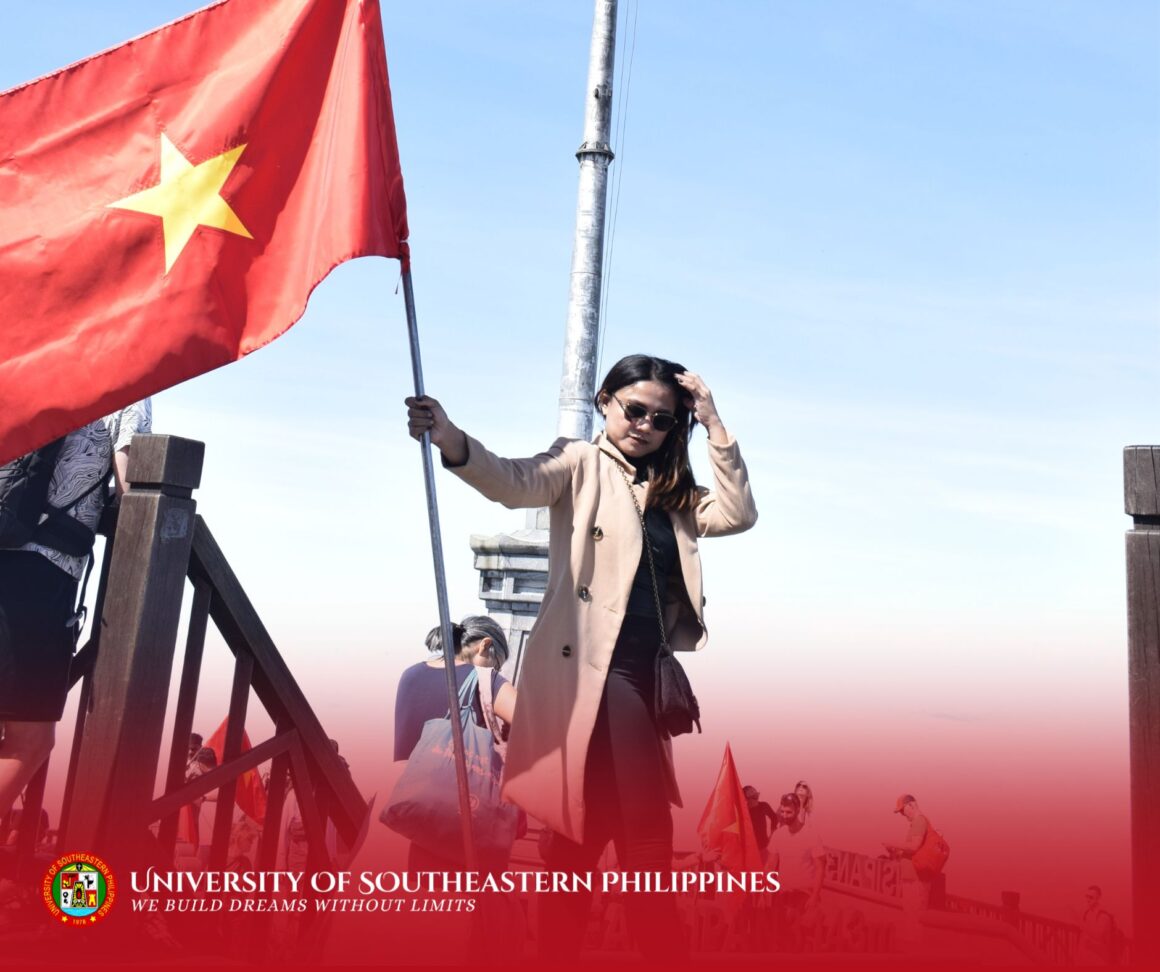
In support of the University of Southeastern Philippines’ (USeP) commitment to internationalization and the development of globally competent educational leaders, sixteen students from the PhD in Educational Leadership and Management (PhD-ELM) program embarked on an International Educational Tour (IET) in Vietnam from October 25 to 31, 2025, under the leadership of Dr. Ivy Lyt S. Abina.
The week-long academic engagement aimed to broaden the participants’ perspectives on global leadership, governance, and innovation in education. The delegation’s primary institutional partner for this tour was Phenikaa University, one of Vietnam’s leading higher education institutions, renowned for its strong emphasis on research, technology integration, and global collaboration.
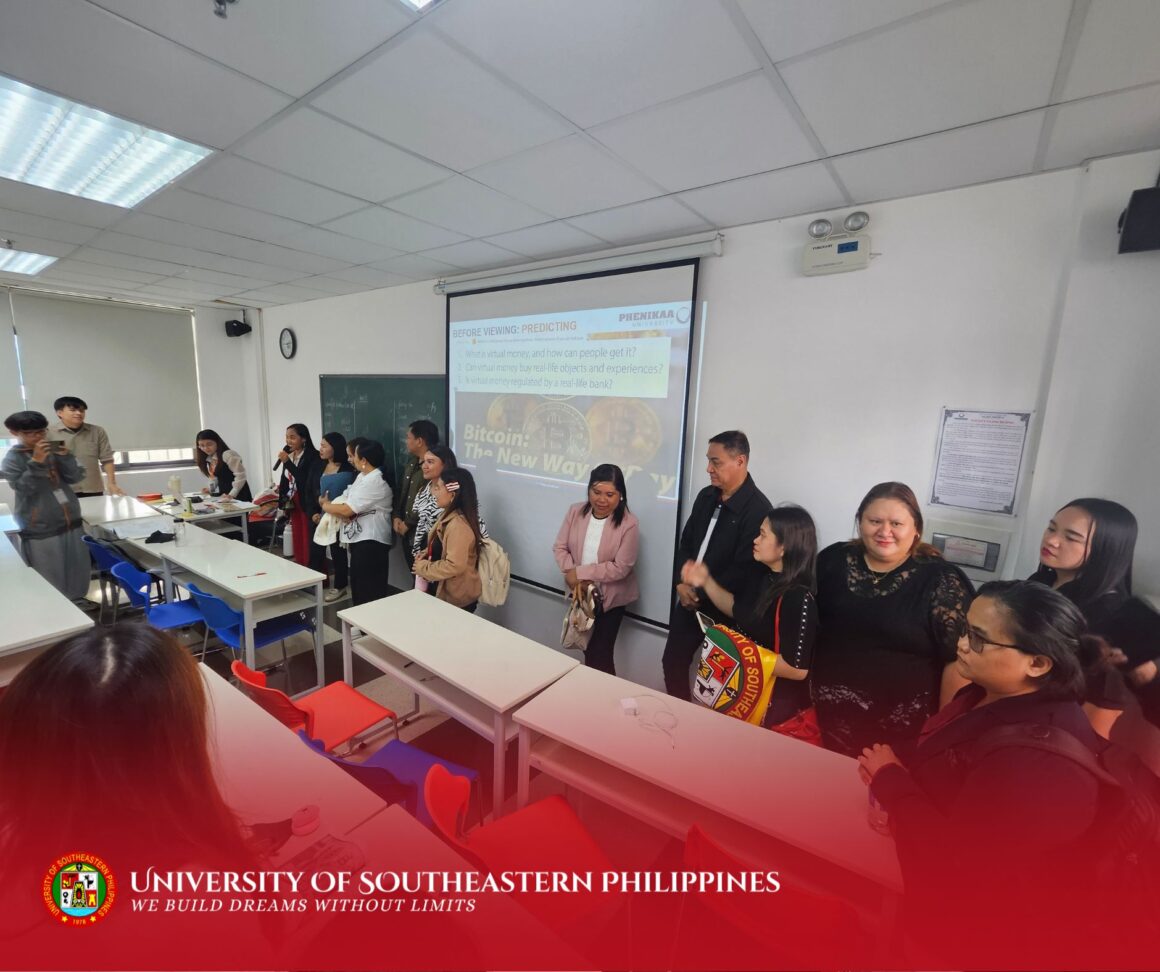
At Phenikaa University, the USeP delegation was warmly received by Dr. Nguyen Ngoc Ninh, Vice President for Global Outreach; Mr. Nguyen Duc Tung Kien, Deputy Director of the Science, Technology, and Innovation Department; Mr. Le Quang Hiep, Commercial Director of Phenikaa-X Joint Stock Company; and Ms. Vu Thi Ngoc, Deputy Head of the External Engagement Office.
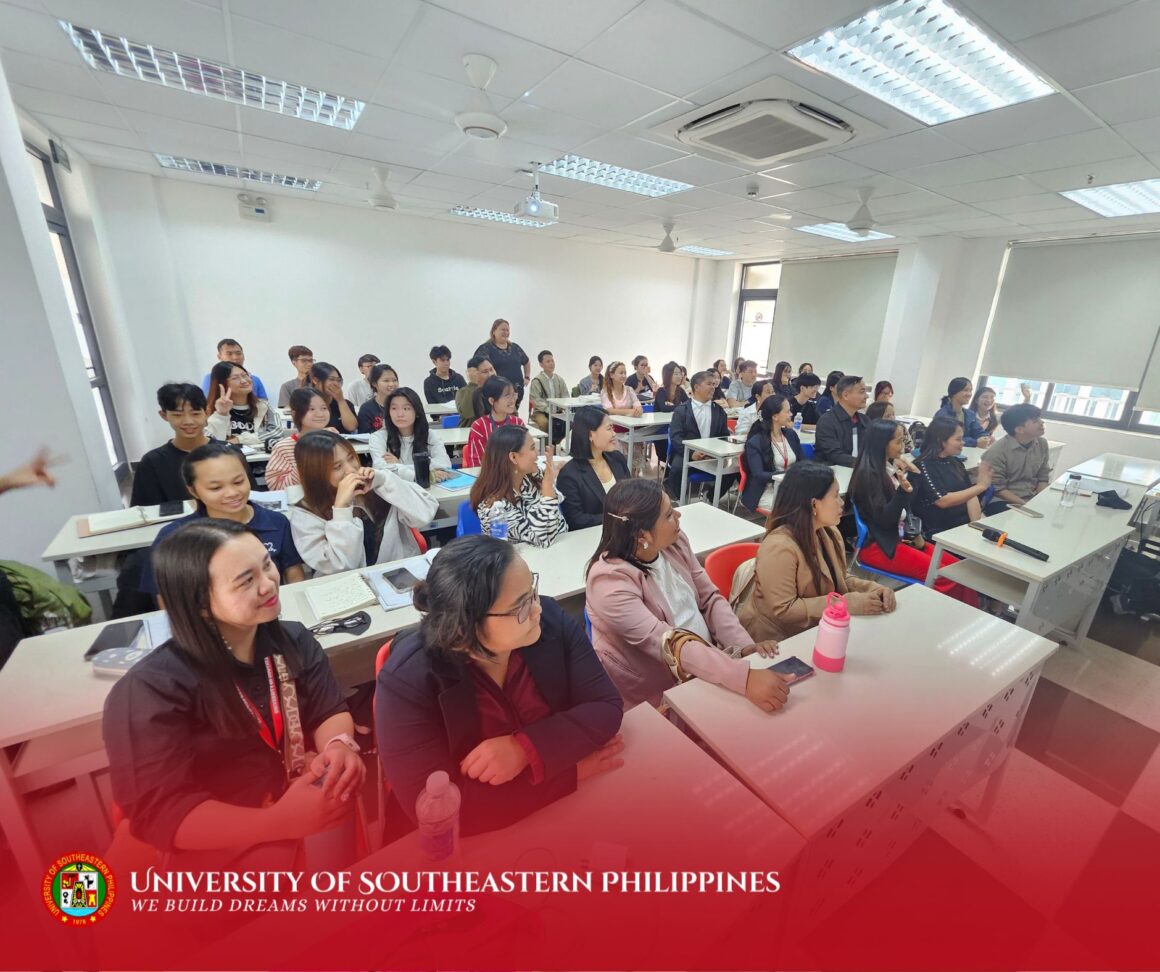
During the academic exchange, Phenikaa University officials presented the institution’s strategic initiatives on digital transformation, innovation ecosystems, and research-driven leadership development. Dr. Ninh emphasized the importance of fostering transnational cooperation and empowering leaders to navigate global educational challenges through data-driven and inclusive decision-making.
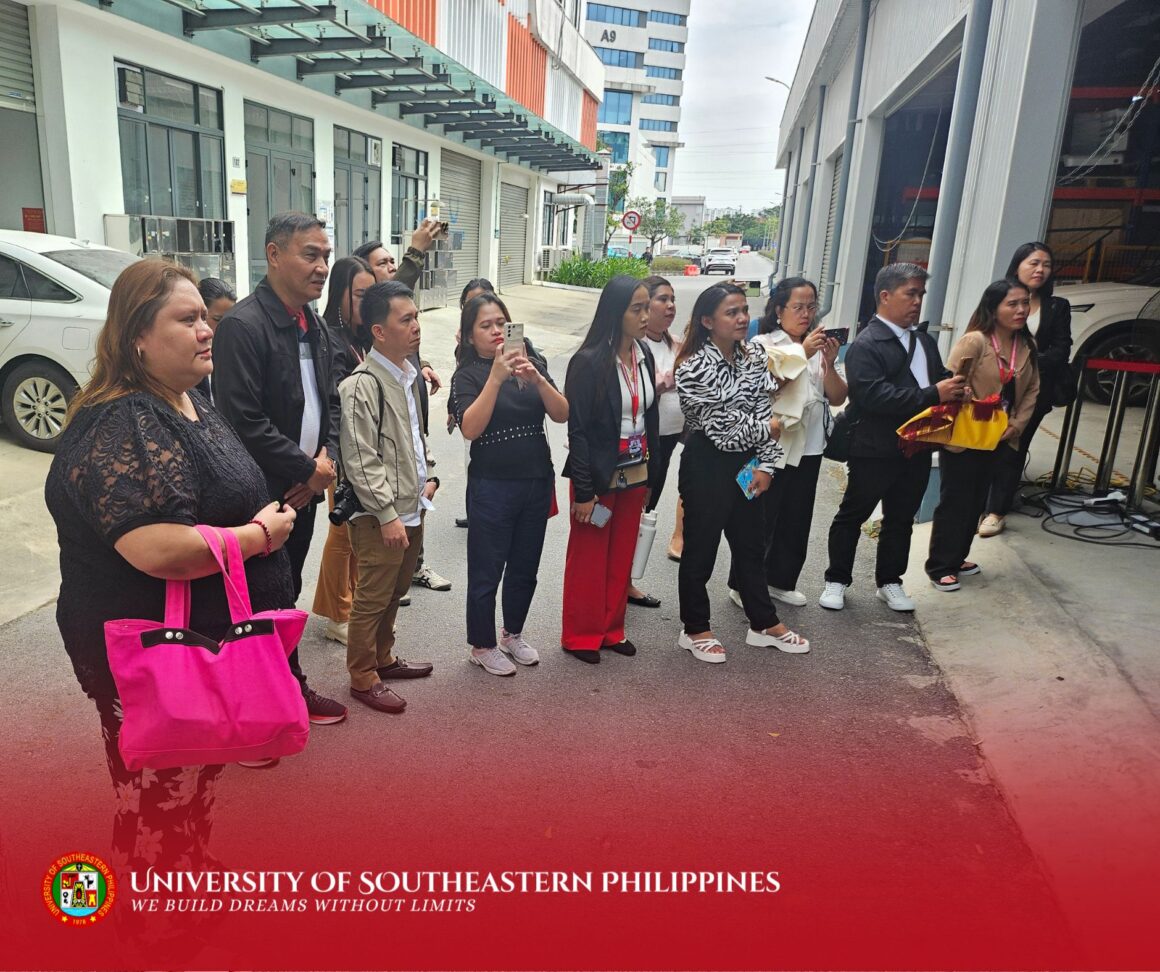
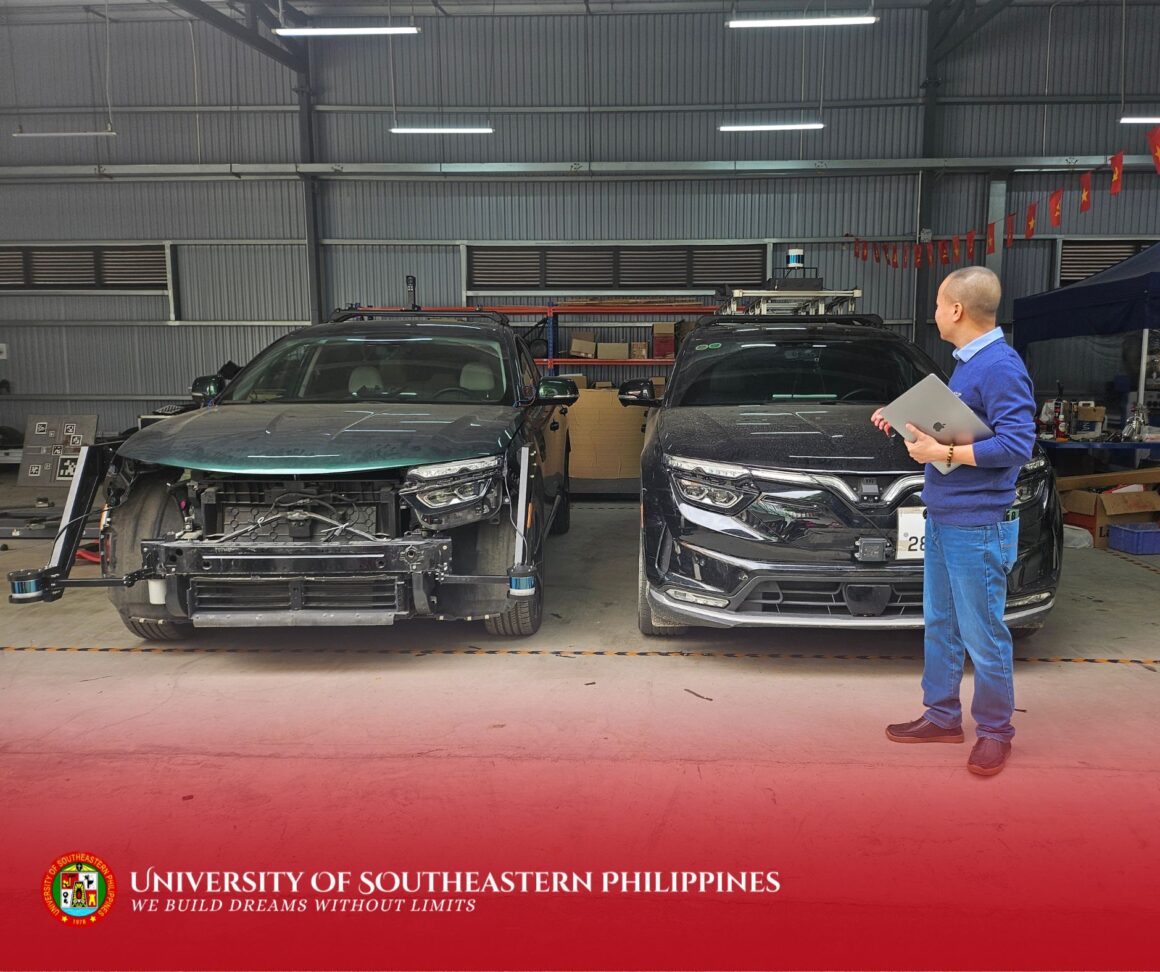
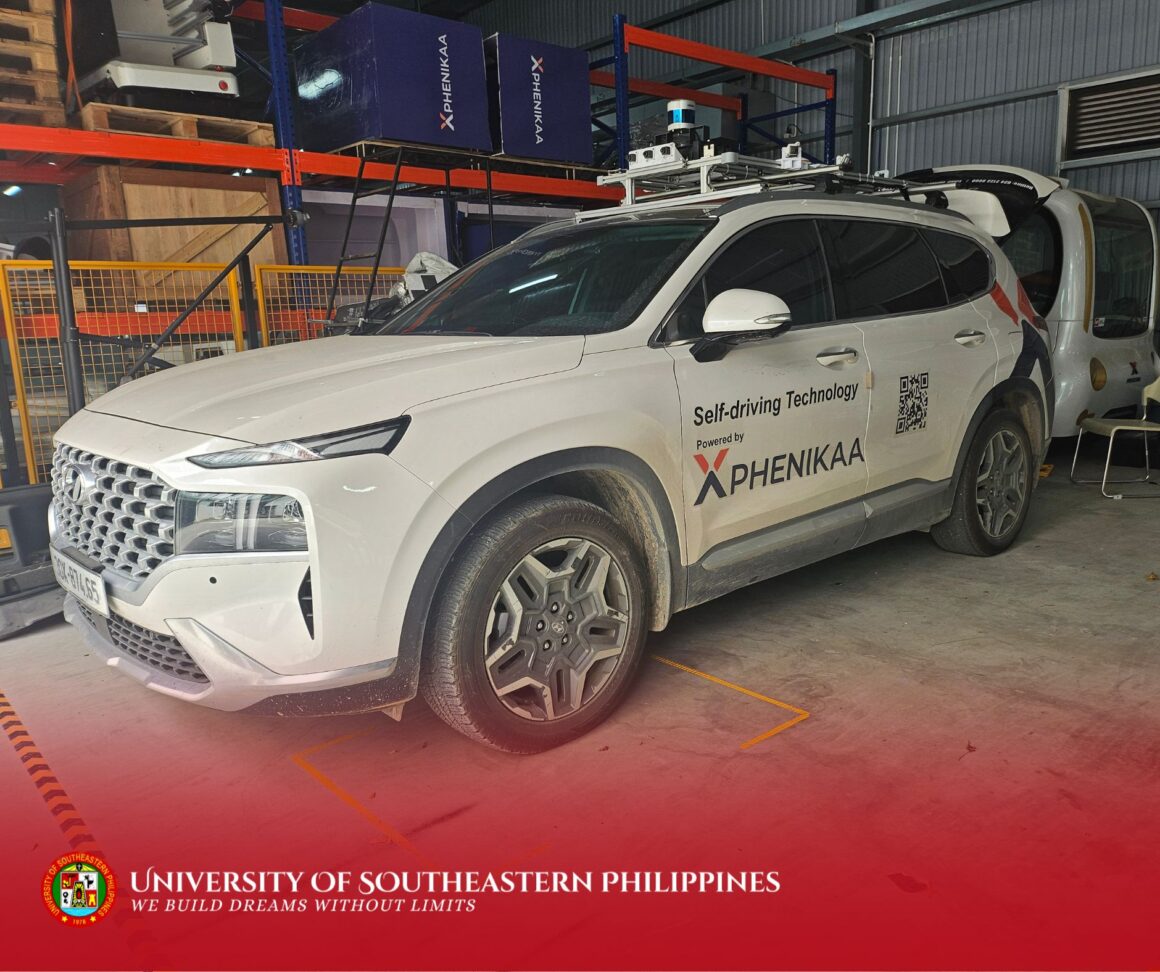
The USeP delegation also toured Phenikaa University’s Smart Mobility Research Laboratory, AI and Robotics Center, and Innovation Hub, where they observed cutting-edge technologies designed to enhance teaching, learning, and community engagement. These facilities demonstrated Vietnam’s growing focus on integrating science, technology, and leadership education to address real-world social and economic issues.
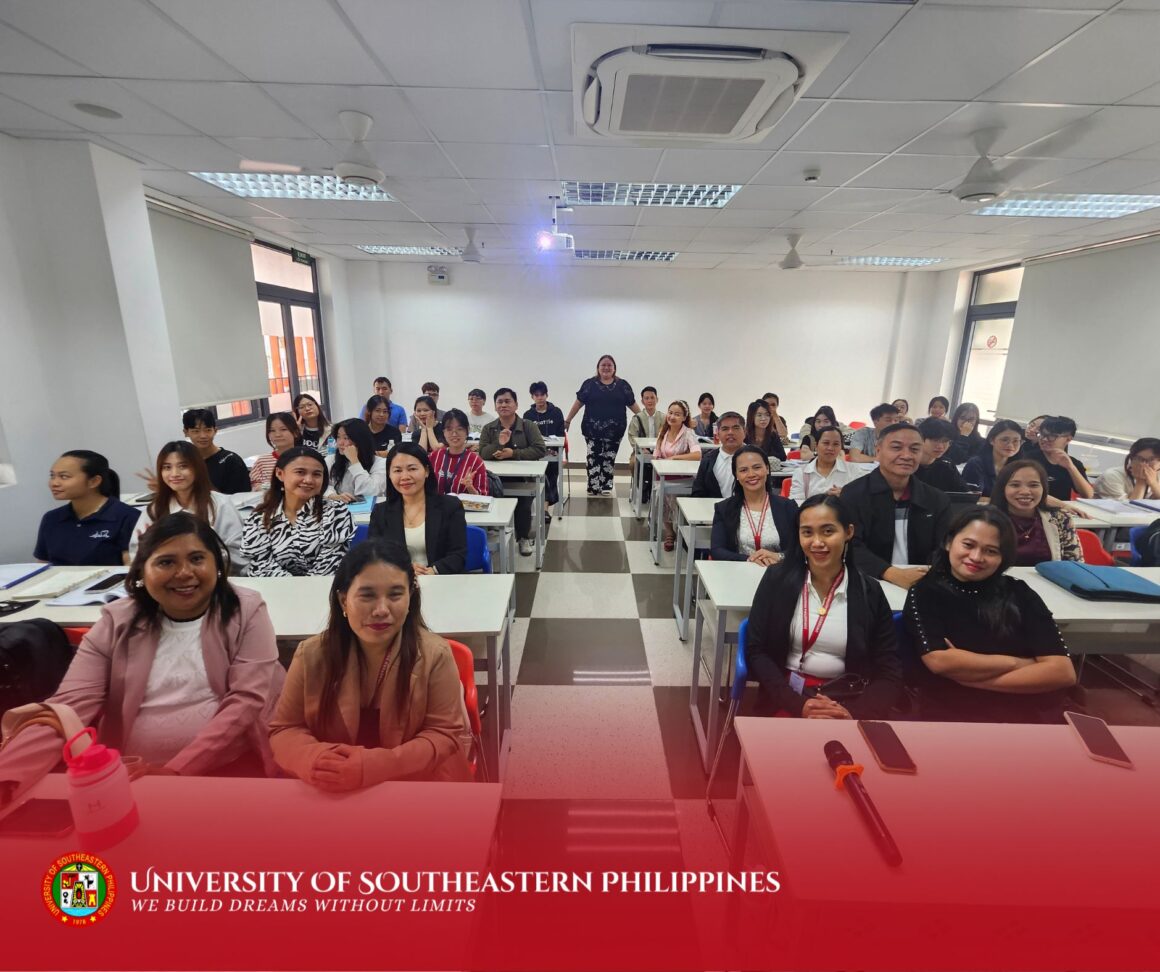
Through interactive lectures and open forums, USeP PhD-ELM students engaged in discussions on educational leadership frameworks, organizational management in higher education, and innovation in policy implementation. The exchange provided valuable insights into how Vietnam’s educational institutions align their strategic directions with global trends and sustainable development goals.
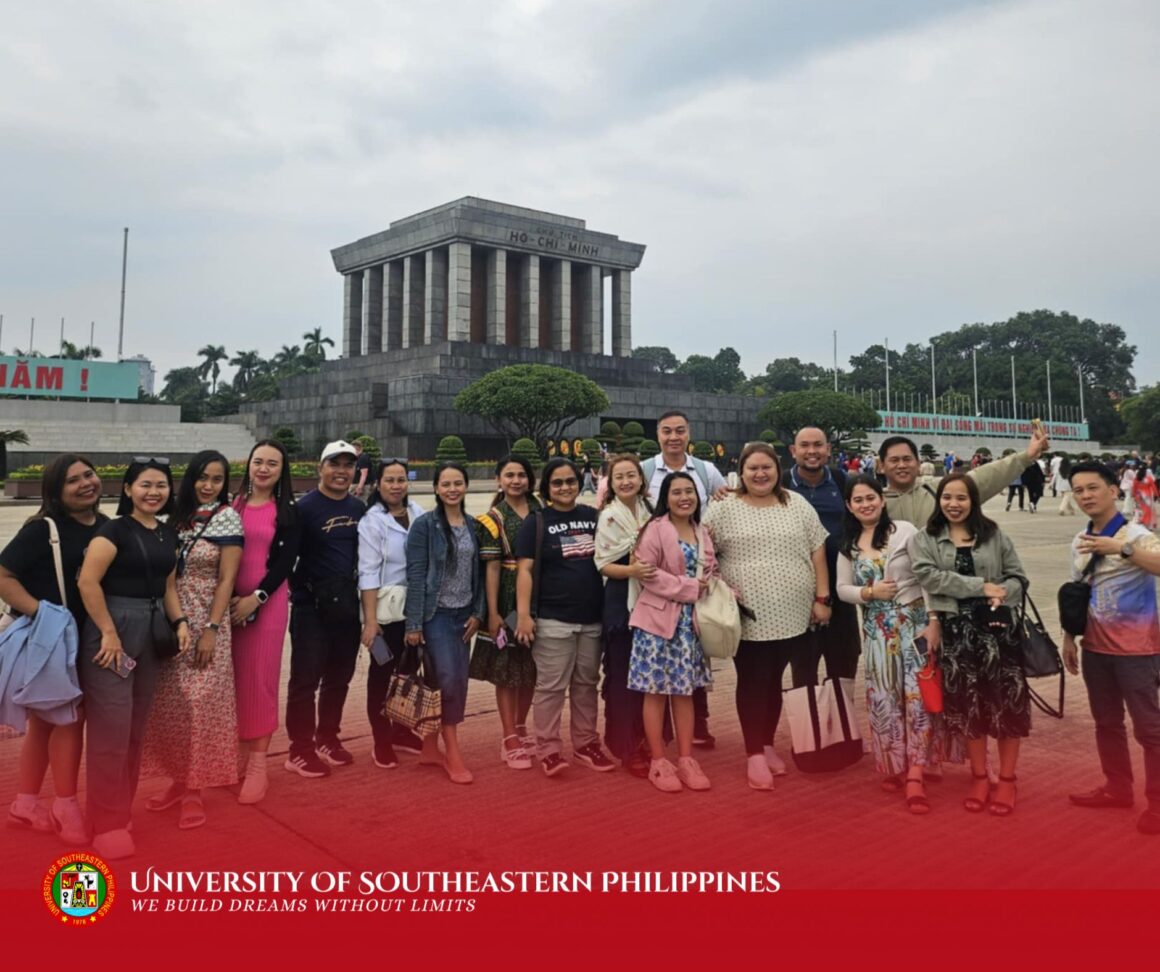
Beyond academic engagements, the delegation also experienced Vietnam’s vibrant culture and history through immersive tours and local interactions. The group explored Hanoi, Vietnam’s capital, where they witnessed the fusion of traditional and modern architecture, and learned about the nation’s deep-rooted respect for education, heritage, and discipline.
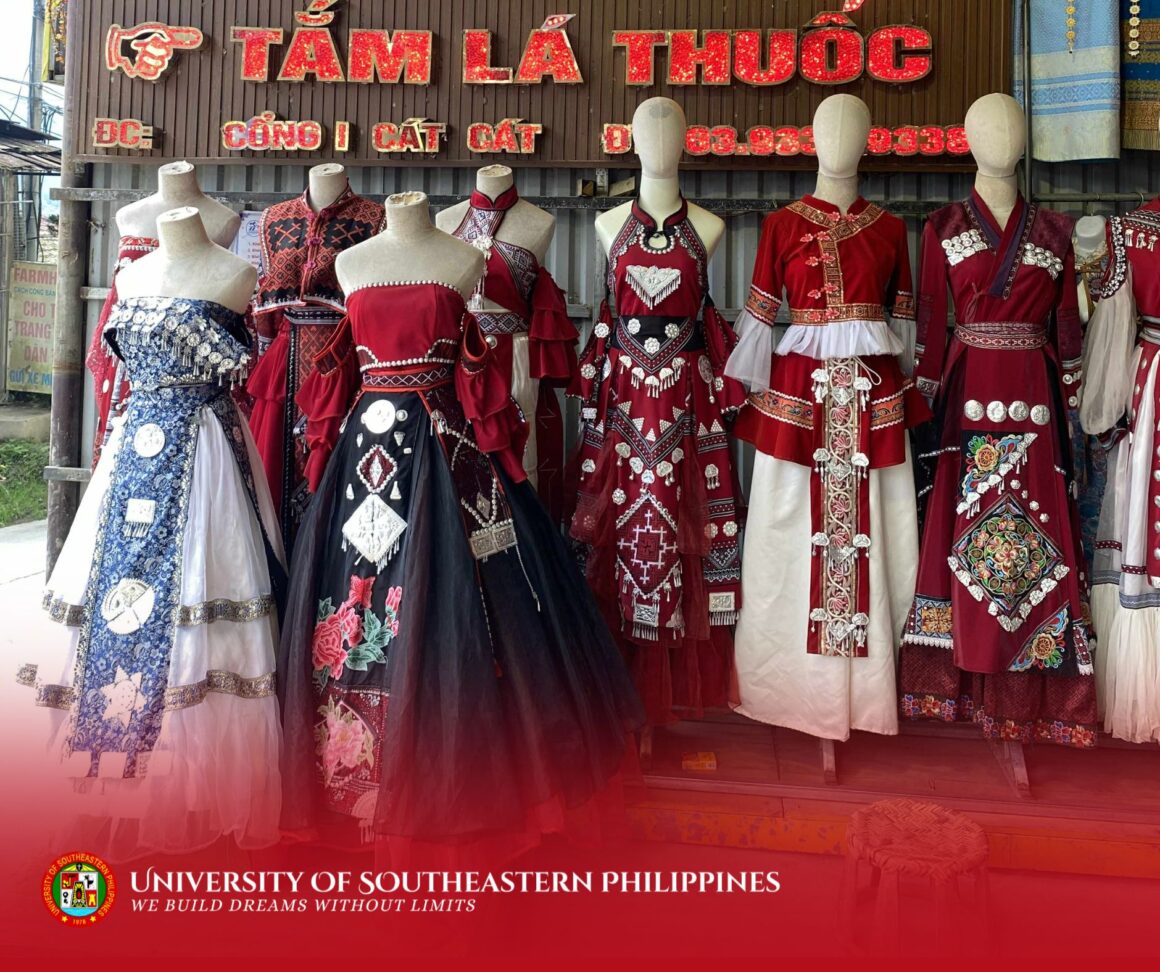
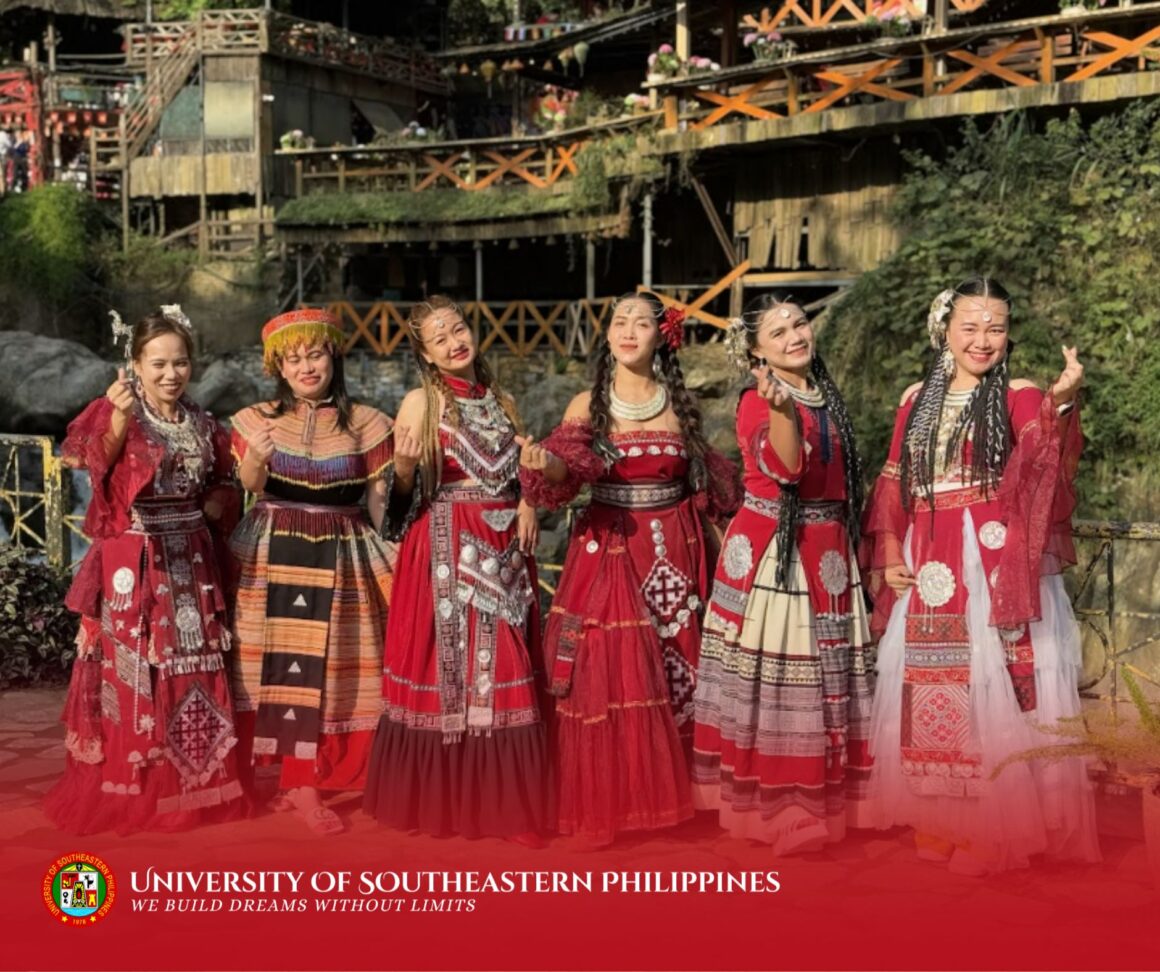
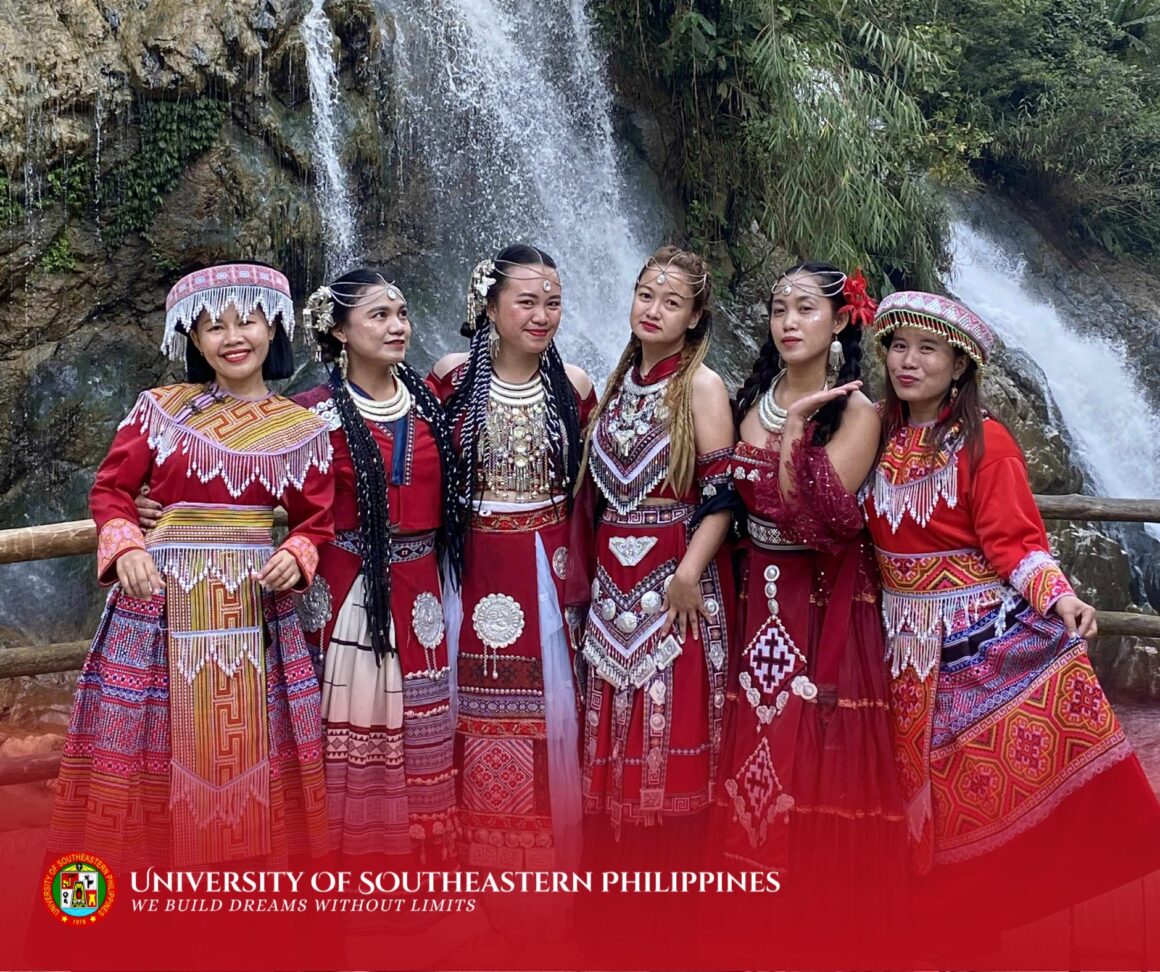
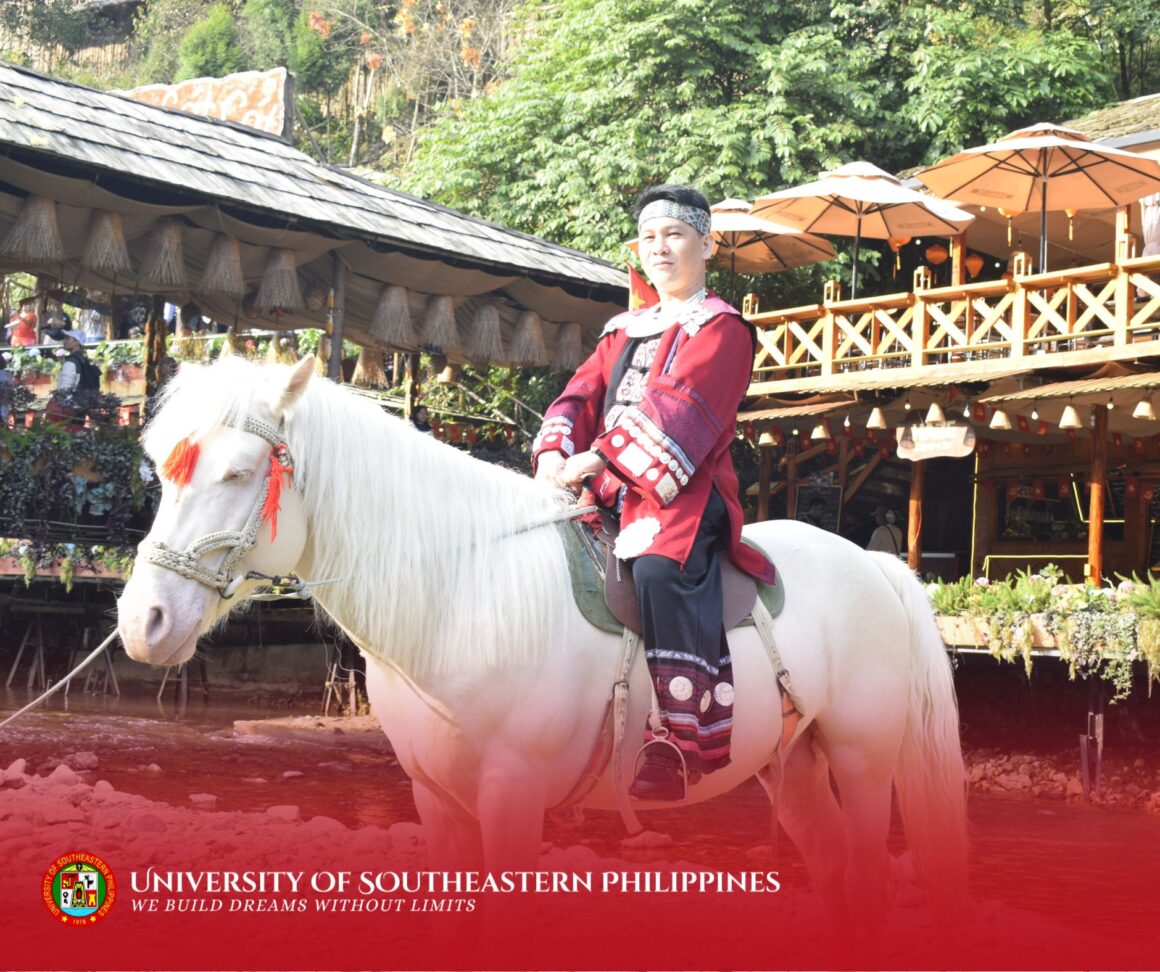
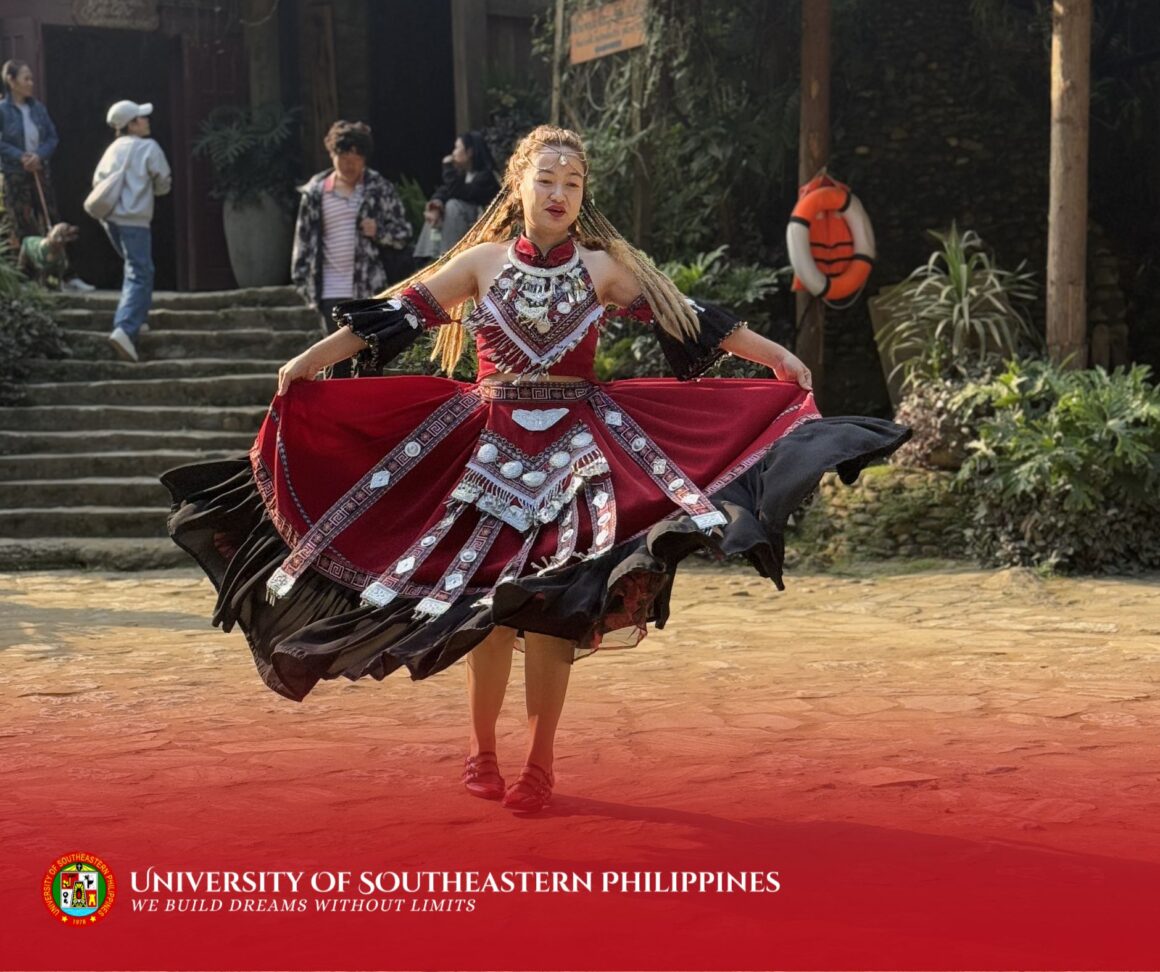
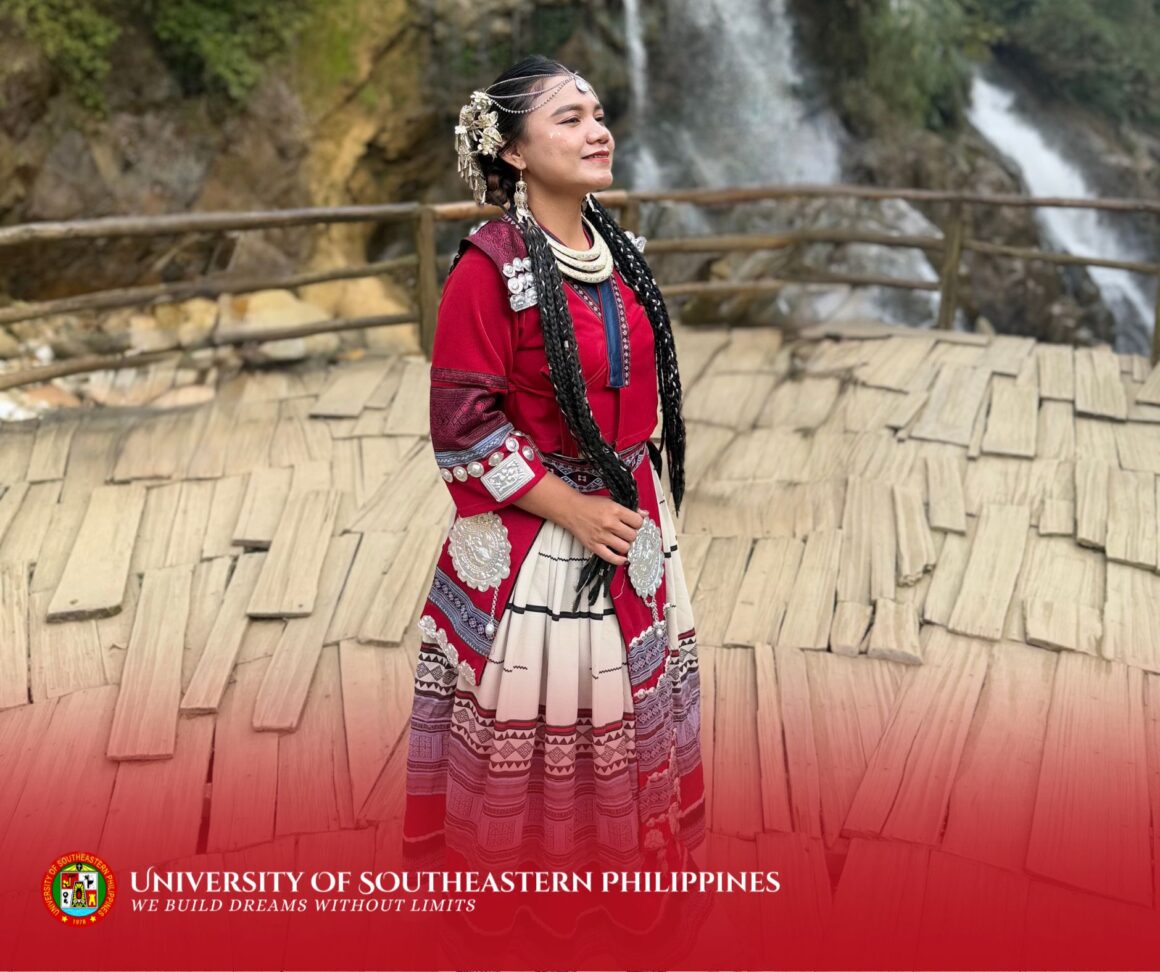
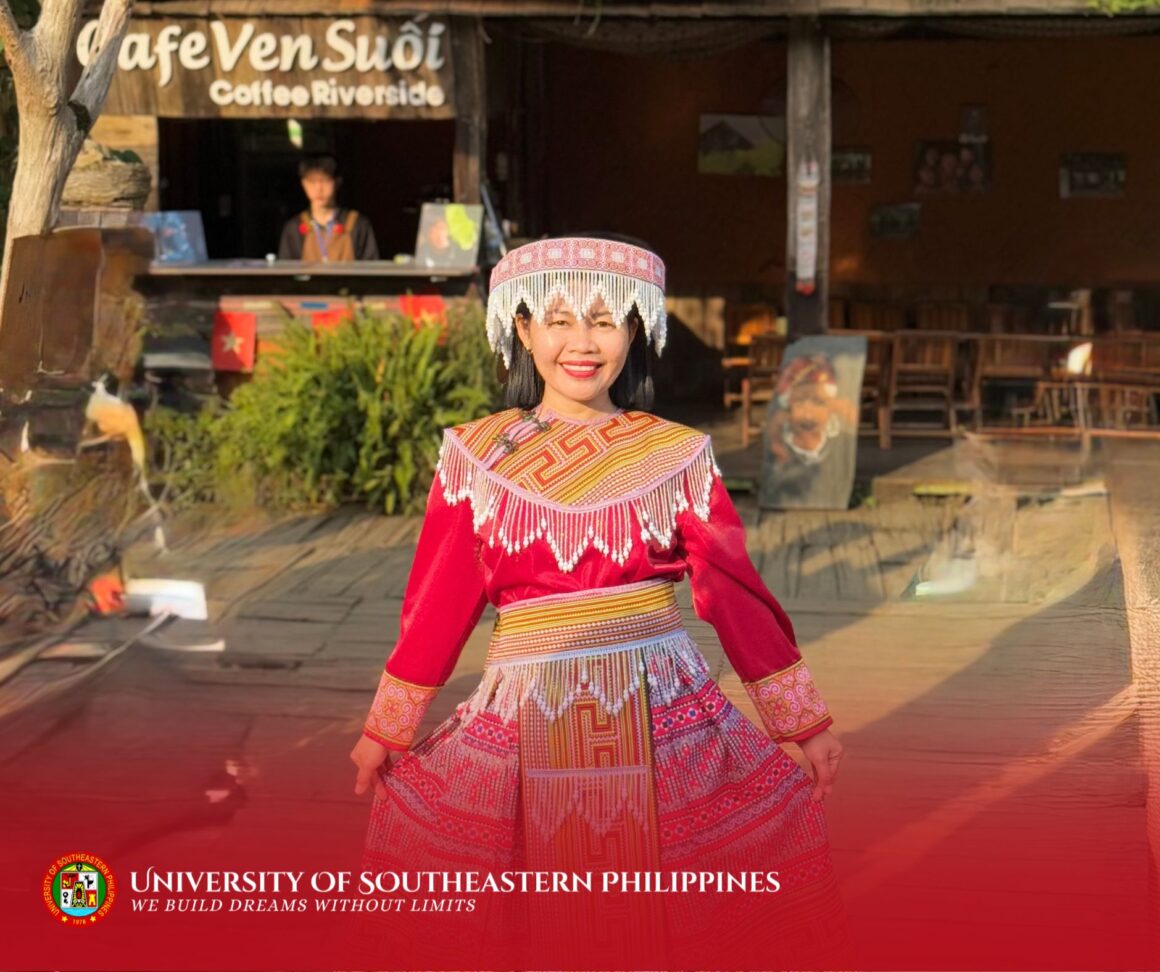
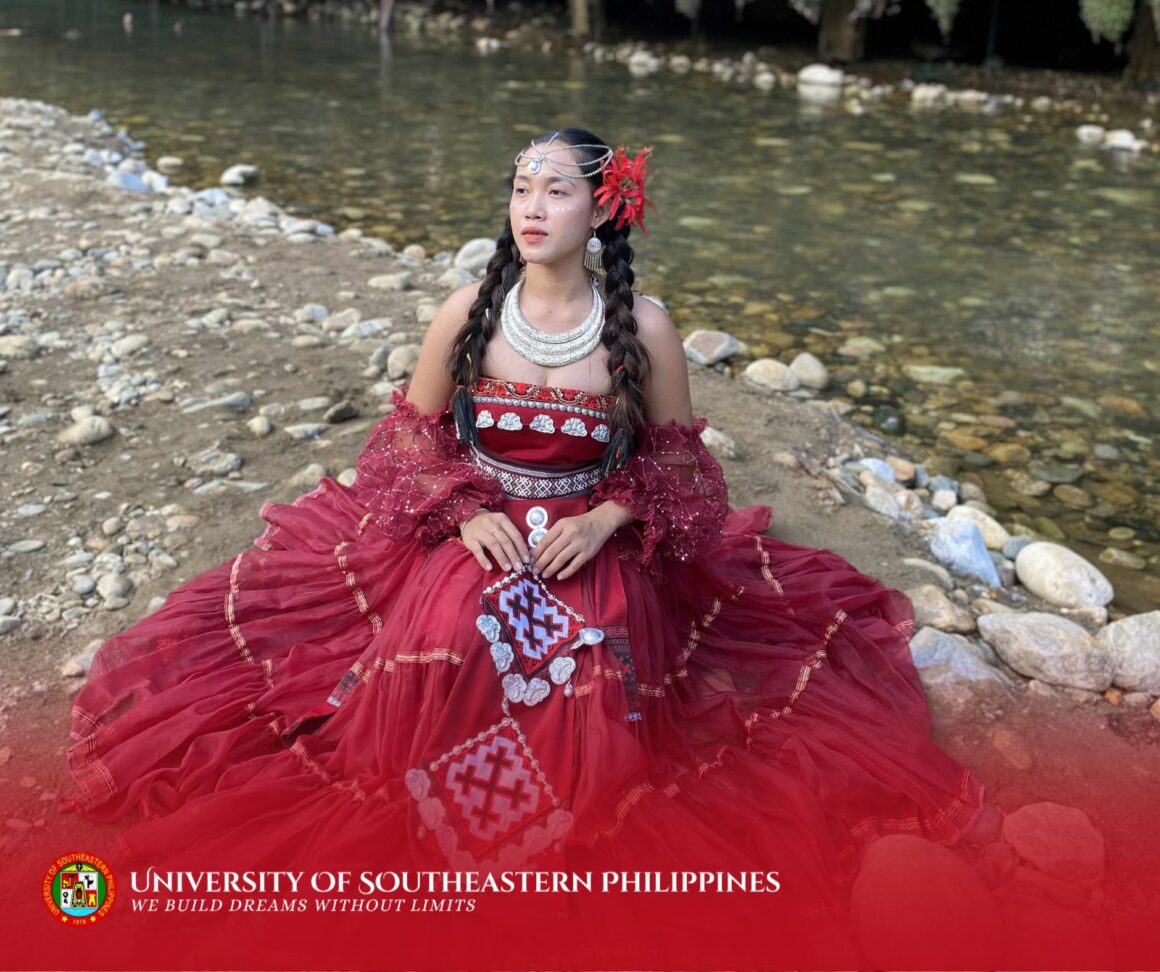
The cultural immersion continued with a tour of Sapa, a mountainous region known for its breathtaking landscapes and rich cultural diversity. The visit provided students with an opportunity to appreciate the social dynamics and educational aspirations of Vietnam’s northern communities. A highlight of the immersion was the Cat Cat Village experience, where participants interacted with local artisans, observed traditional handicrafts, and learned how cultural heritage and community-based education contribute to local development and the formation of identity.
Reflecting on the experience, Dr. Ivy Lyt S. Abina emphasized the value of global exposure in cultivating educational leaders with empathy and perspective. “This educational tour allowed our students to experience leadership in context, how systems, innovation, and culture intersect to create meaningful change in education,” she remarked.
The International Educational Tour in Vietnam reinforced USeP’s mission to cultivate globally competent, ethical, and visionary leaders in education. It also strengthened its partnerships within the ASEAN academic community, paving the way for future collaborative research, exchange programs, and joint academic endeavors.
The USeP PhD-ELM delegation returned to the Philippines enriched with global insights, cultural appreciation, and a renewed commitment to uphold excellence, innovation, and inclusivity in educational leadership.
Leave a Reply