
[𝐑𝐄𝐂𝐄𝐍𝐓𝐋𝐘 𝐂𝐎𝐍𝐂𝐋𝐔𝐃𝐄𝐃] 𝐑𝐄𝐕𝐀𝐋𝐔𝐄𝐃 𝐏𝐑𝐎𝐉𝐄𝐂𝐓𝐂𝐎𝐌𝐏𝐋𝐄𝐓𝐄𝐒 𝐅𝐈𝐄𝐋𝐃 𝐃𝐀𝐓𝐀 𝐂𝐎𝐋𝐋𝐄𝐂𝐓𝐈𝐎𝐍 𝐈𝐍 𝐓𝐇𝐄𝐃𝐀𝐕𝐀𝐎 𝐑𝐄𝐆𝐈𝐎𝐍
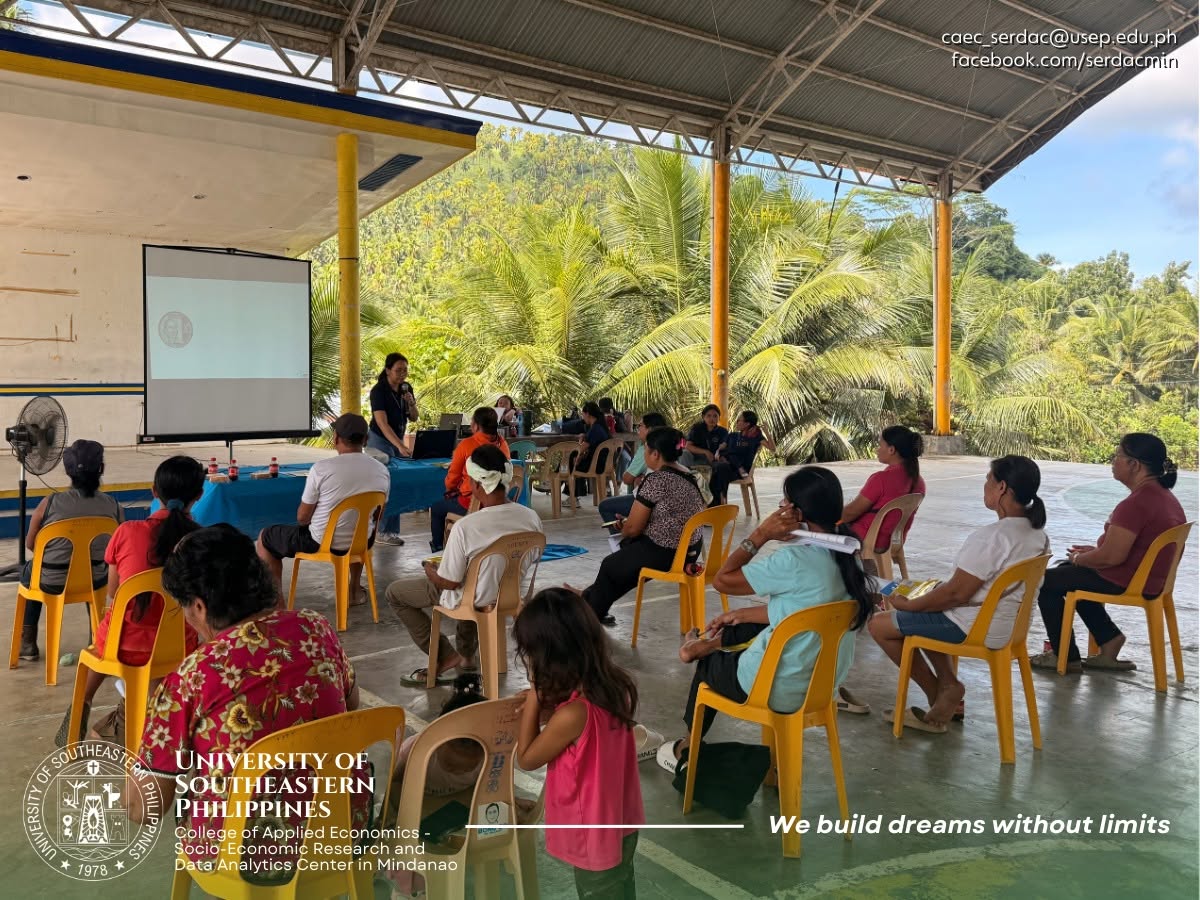
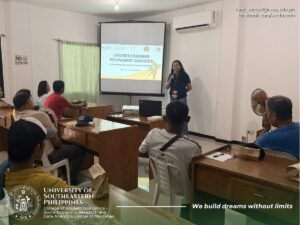
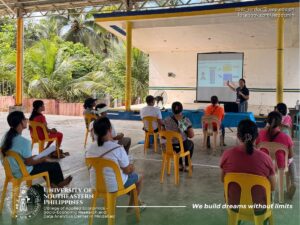
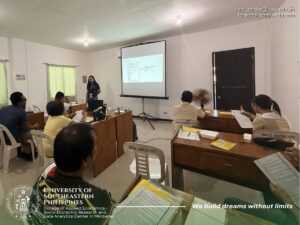
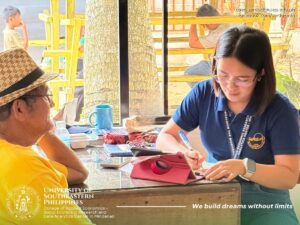
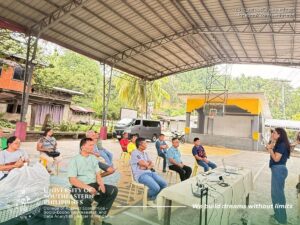
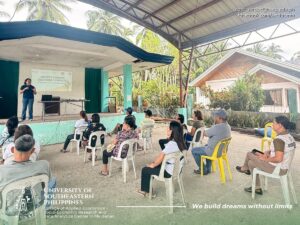
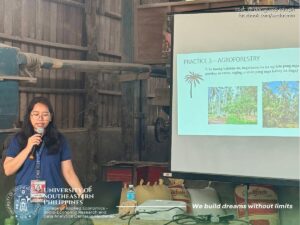
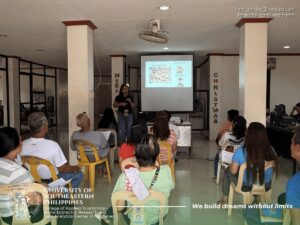
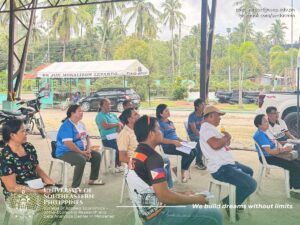
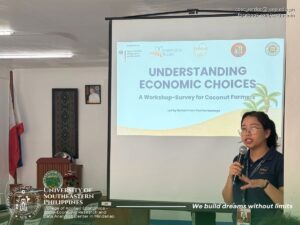
From November 2025 to January 2026, the 𝗨𝗦𝗲𝗣- 𝗥𝗲𝗩𝗮𝗹𝘂𝗲𝗗 𝗣𝗿𝗼𝗷𝗲𝗰𝘁 𝗧𝗲𝗮𝗺 conducted field-based datacollection activities in Governor Generoso, Caraga, the City of Mati, and Manay, Davao Oriental, as well as in other parts of the Davao Region. These activities, which included behavioral game sessions, workshop surveys, and key informant interviews,were undertaken to support ongoing studies on (1) how farmers make decisions under idiosyncratic and covariate risks and how kinship networks influence these decisions; (2) farmers’ willingness to accept compensation for participation in carbon farming contracts; and (3) stakeholder perspectives on strengthening land reform implementation. The behavioral game sessions were conducted in Bisaya and Filipino to ensure contextual clarity and meaningful participation.
These activities form part of the project “𝙍𝙚𝙨𝙞𝙙𝙪𝙚 𝙑𝙖𝙡𝙤𝙧𝙞𝙯𝙖𝙩𝙞𝙤𝙣 𝙛𝙤𝙧 𝘽𝙞𝙤-𝙋𝙧𝙤𝙙𝙪𝙘𝙩𝙨 𝙞𝙣 𝘿𝙚𝙫𝙚𝙡𝙤𝙥𝙞𝙣𝙜 𝘾𝙤𝙪𝙣𝙩𝙧𝙞𝙚𝙨: 𝘽𝙧𝙞𝙙𝙜𝙞𝙣𝙜 𝙩𝙝𝙚 𝙂𝙖𝙥 𝘽𝙚𝙩𝙬𝙚𝙚𝙣 𝙏𝙚𝙘𝙝𝙣𝙞𝙘𝙖𝙡 𝙆𝙣𝙤𝙬𝙡𝙚𝙙𝙜𝙚 𝙖𝙣𝙙 𝙎𝙤𝙘𝙞𝙤𝙚𝙘𝙤𝙣𝙤𝙢𝙞𝙘 𝙍𝙚𝙖𝙡𝙞𝙩𝙞𝙚𝙨.” The project seeks to generate empirical evidence on how local production conditions, behavioral patterns, and socioeconomic contexts influence the adoption of sustainable bio-product innovations in developing country settings.
The fieldwork was supervised by Project Leader Dr. Ropert S. Deluna, Jr., ensuring methodological rigor and research integrity. The behavioral games and workshop-surveys were spearheaded by Nymphmary Daphne J. Santiago, Doctoral Researcher of the 𝐁𝐢𝐨𝐞𝐜𝐨𝐧𝐨𝐦𝐲 𝐄𝐜𝐨𝐧𝐨𝐦𝐢𝐜𝐬 𝐉𝐮𝐧𝐢𝐨𝐫 𝐑𝐞𝐬𝐞𝐚𝐫𝐜𝐡 𝐆𝐫𝐨𝐮𝐩 from the 𝗨𝗻𝗶𝘃𝗲𝗿𝘀𝗶𝘁𝘆 𝗼𝗳 𝗣𝗮𝘀𝘀𝗮𝘂, in collaboration with Dr. Terese Venus for the behavioral and carbon farming components, and with Dr. Deluna for the land reform research.
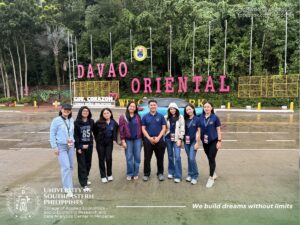
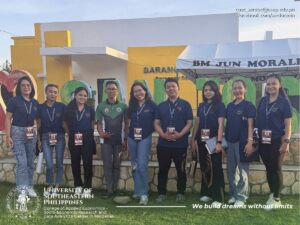
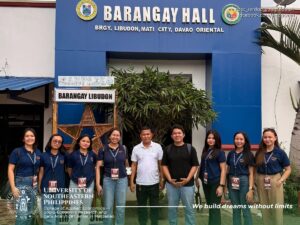
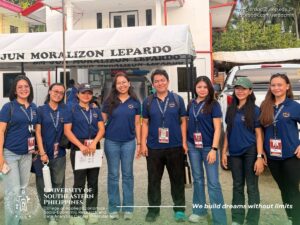
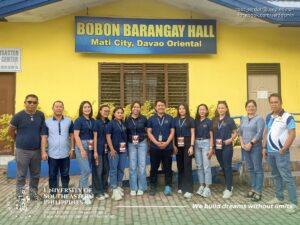
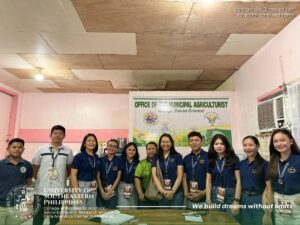
Field operations were supported by Project Technical Assistant Dave S. Roblis, with the invaluable assistance of project enumerators Aileen A. Rulida, Queenie Jen E. Armodia, Riova A. Vistal, Hennie Jean O. Buot, Sheena A. Dagohoy, and Kaila Marie J. Padal, whose dedication ensured accurate, reliable, and ethically conducted data collection across the study sites.
Through sustained collaboration, rigorous research, and meaningful community engagement, the University of Southeastern Philippines Socio-Economic Research and Data Analytics Center continues to advance evidence-based policy insights that bridge technical innovation and socioeconomic realities in rural communities.

Leave a Reply