
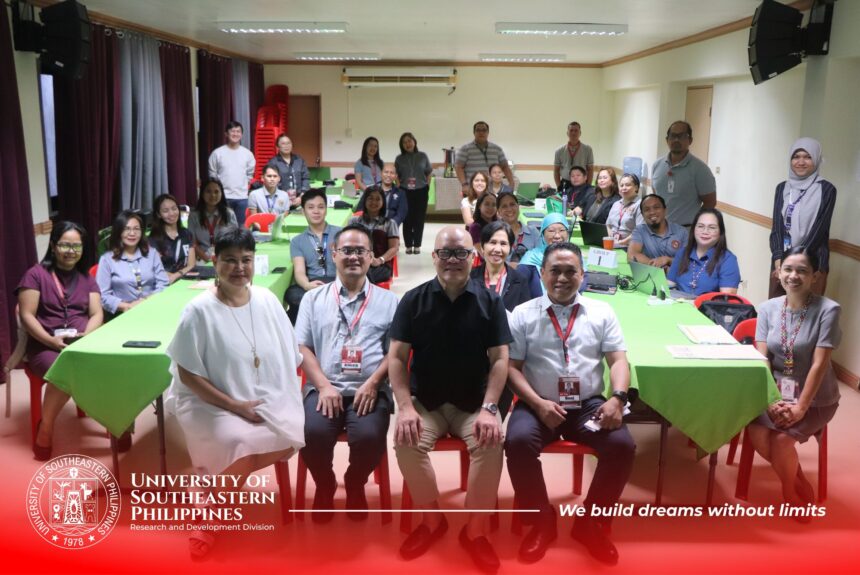
BRET forms part of USeP’s continuing efforts to uphold responsible, values-driven, and participant-protective research across its campuses, projects, and academic units. This initiative was conducted in partnership with the Regional Ethics Monitoring Board XI (REMB XI) and the Philippine Health Research Ethics Board (PHREB), and supported by the Department of Science and Technology – Philippine Council for Health Research and Development (DOST-PCHRD). Such collaboration becomes increasingly crucial as the University expands research engagements in both national and international settings.
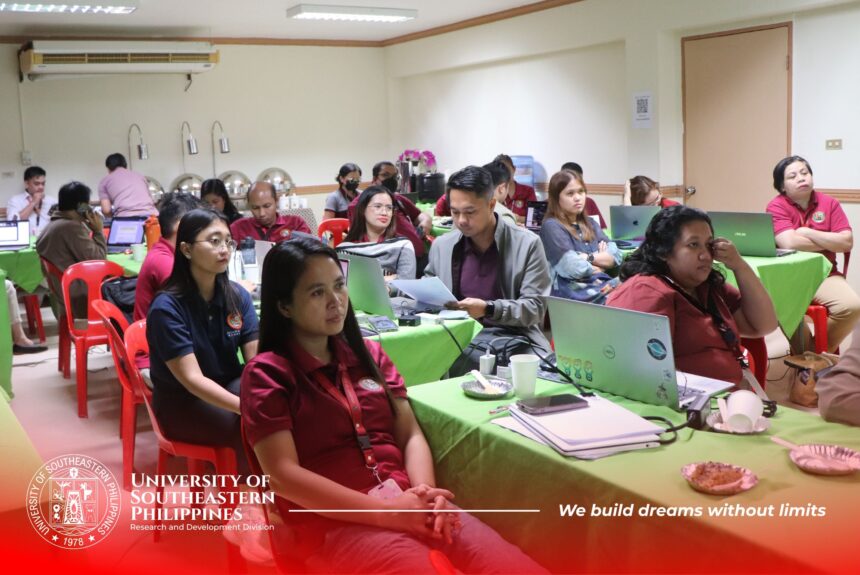
Anchored on developing proficiency in applying research ethics principles and guidelines, the training deepened participants’ understanding of research ethics oversight, from its historical roots to the practical application of beneficence, non-maleficence, justice, and respect for persons in ethical review procedures, SOPs, and institutional frameworks.
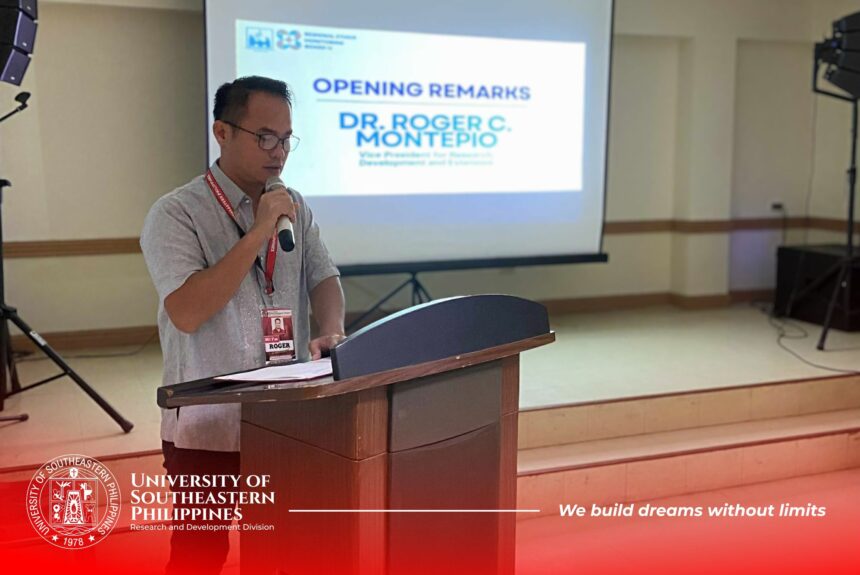
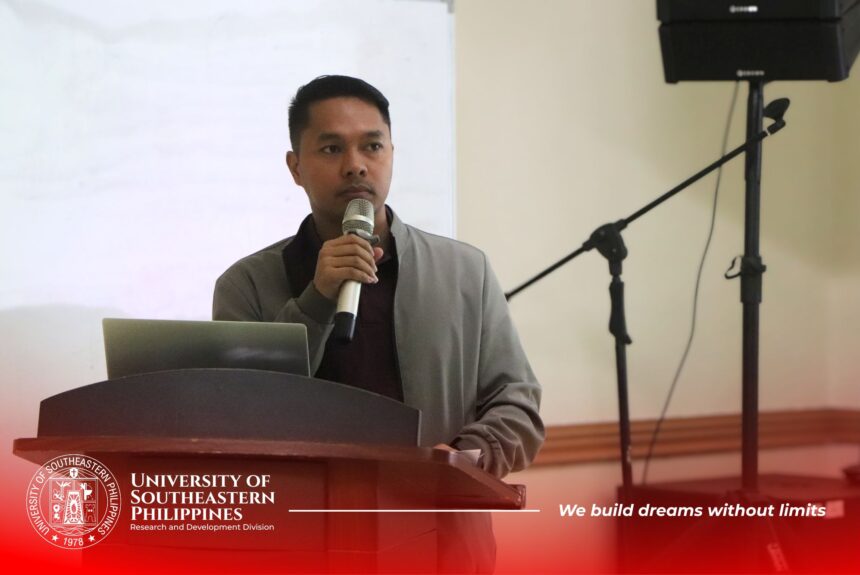
The program opened with the grounding message of Dr. Roger C. Montepio, Vice President for Research, Development, and Extension, who emphasized that research becomes meaningful only when it protects the people it touches. This was reinforced by the Message of Support from University President Dr. Bonifacio G. Gabales Jr., reaffirming USeP’s commitment to foster research that is not only rigorous and innovative but also ethical, humane, and socially accountable.
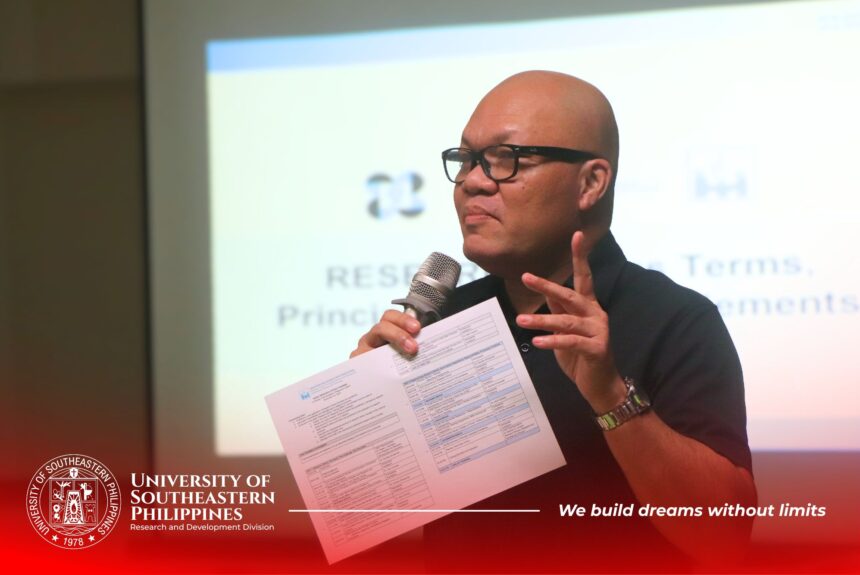
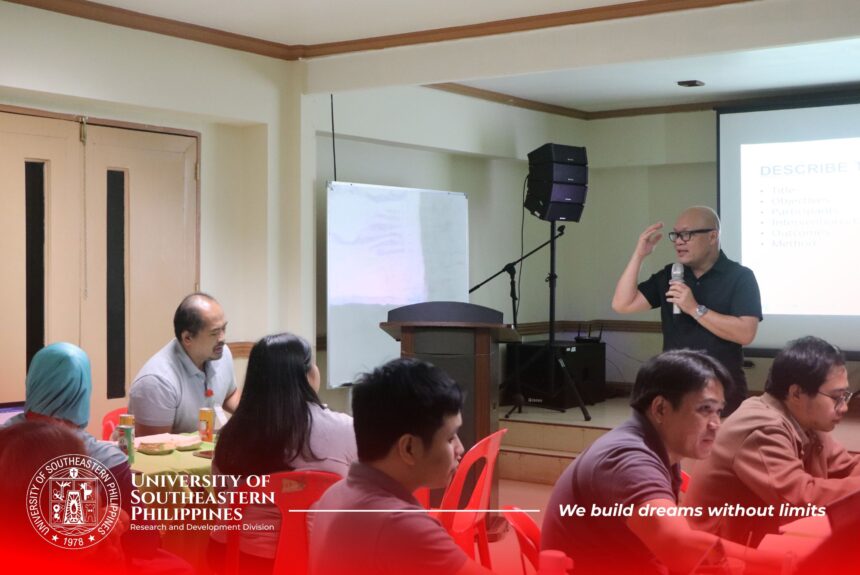
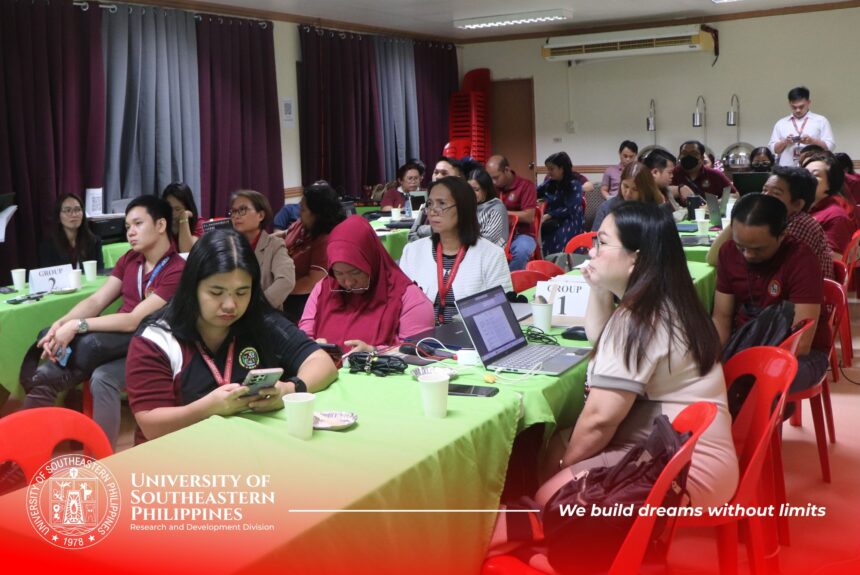
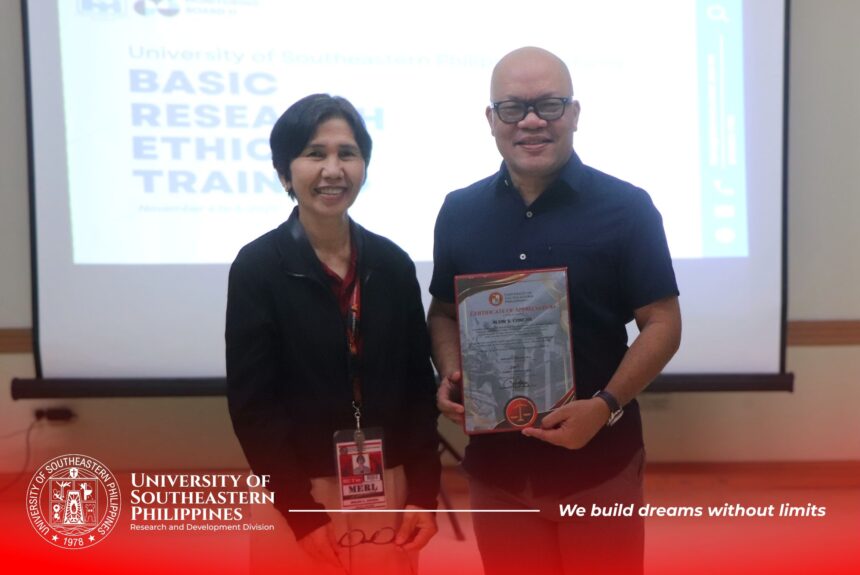
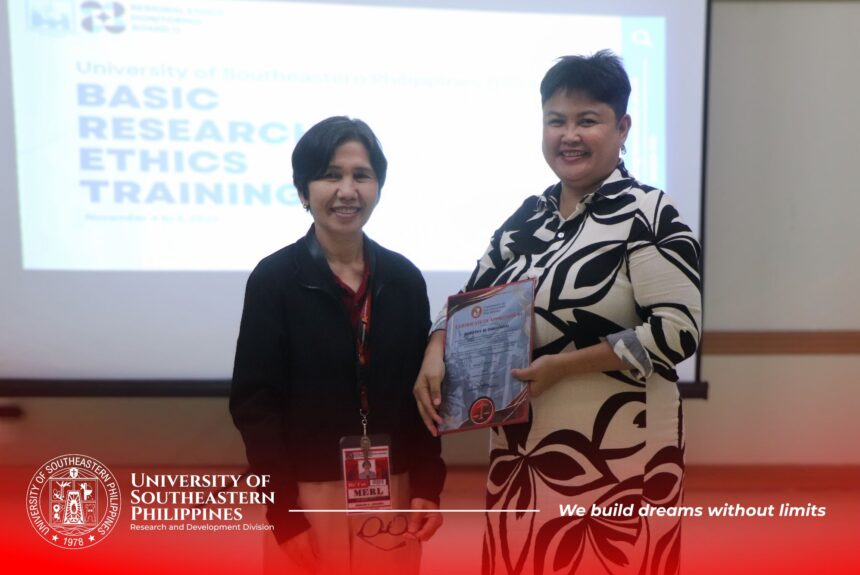
BRET resource speakers Dr. Dorothy M. Dimaandal and Dr. Alvin S. Concha guided the participants through intensive lectures, buzz group discussions, applied case analyses, and institutional reflection sessions, encouraging participants to move beyond conceptual understanding and toward actual ethical reasoning and decision-making.
Day 1 focused on foundational concepts, the language of research ethics, and the guiding principles that shape the construction and conduct of research protocols. Day 2 transitioned into governance, REC responsibilities, types of review, SOPs, and the ethical challenges emerging in the context of accelerated publication pressures and artificial intelligence.
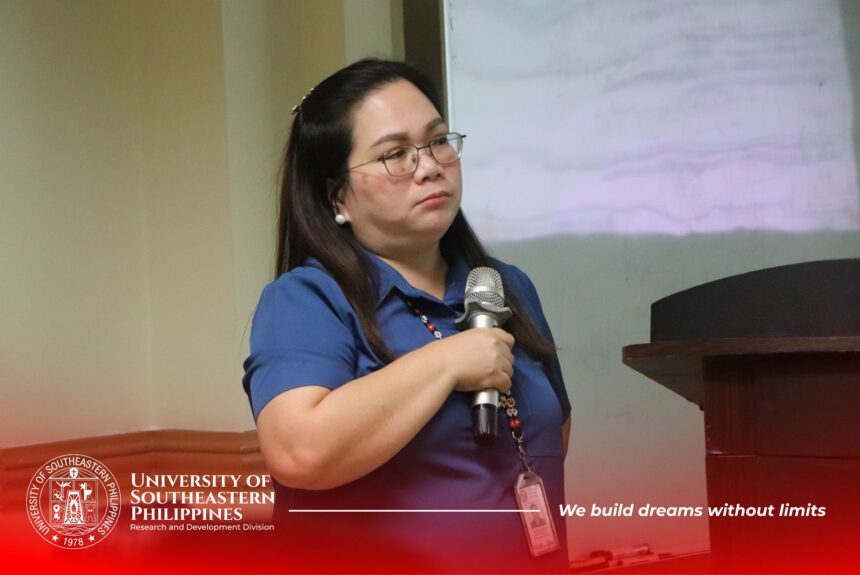
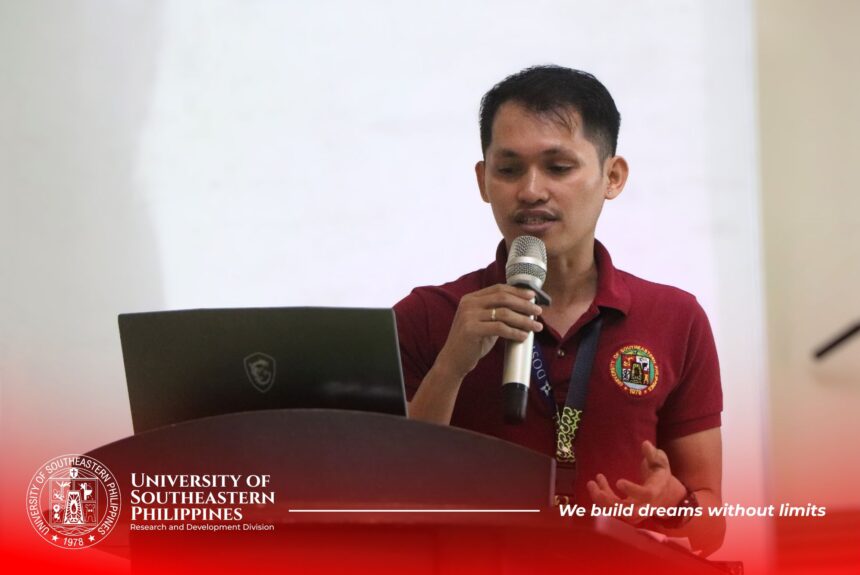
R&DD Director Dr. Merlina H. Juruena also presented ongoing groundwork for USePCRE, underscoring how USeP is actively strengthening documentation, policy architecture, and alignment with national ethical standards.
“We are not only training individuals. We are capacitating a future institutional system,” she emphasized.
Participants expressed appreciation that BRET did not merely transfer knowledge, but cultivated ethical responsiveness, a discipline of thinking and acting that protects research participants, strengthens credibility, and safeguards trust in research outputs.
As USeP continues to move toward becoming a fully ethics-compliant institution with its own research ethics committee, the R&DD aims to sustain this momentum through continuous capability-building initiatives. Another batch of BRET is being eyed for the first quarter of 2026 as part of the University’s phased preparation for the full operationalization of USePCRE.
USeP remains steadfast in championing research that transforms communities, anchored on respect, equity, protection, and responsible stewardship.














Leave a Reply