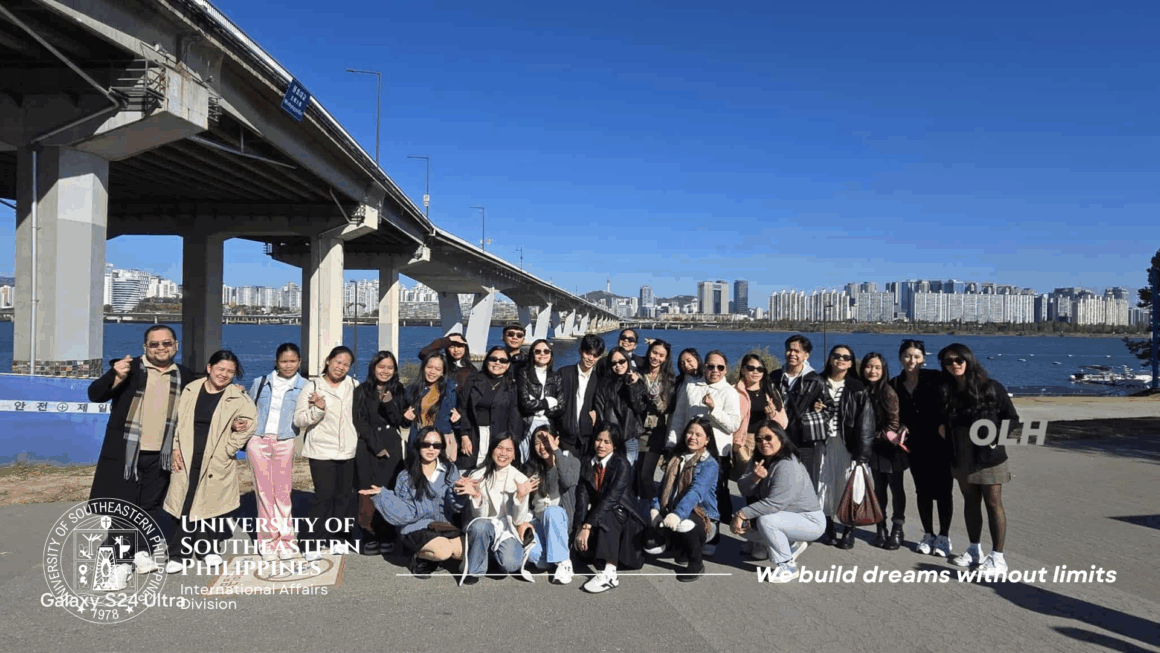
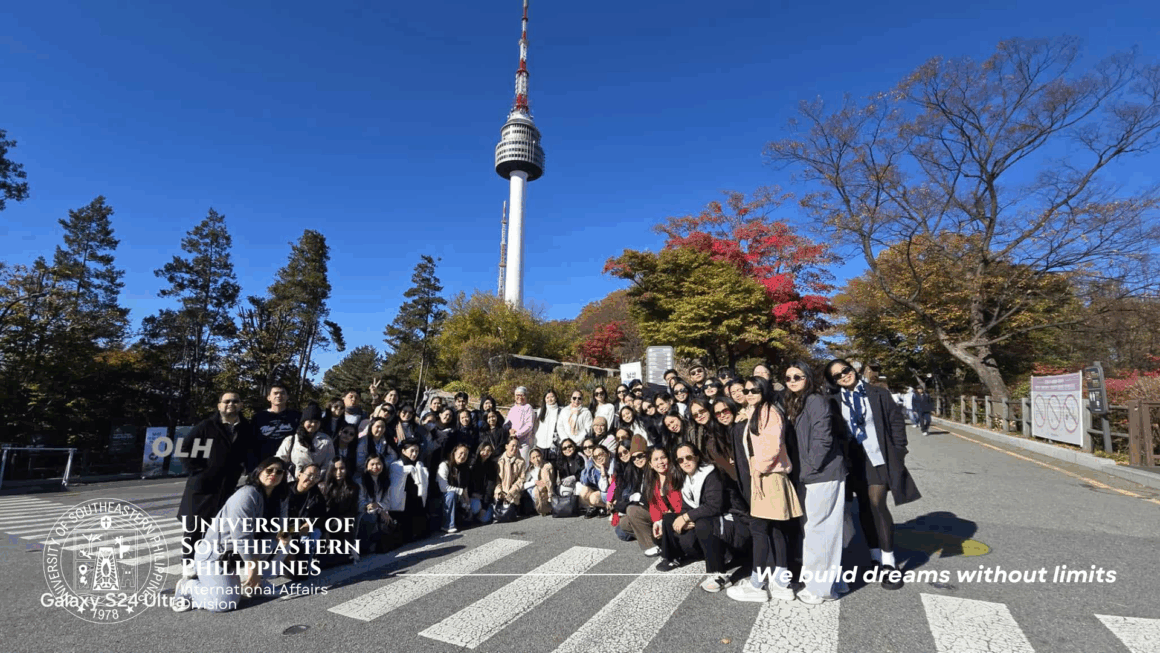
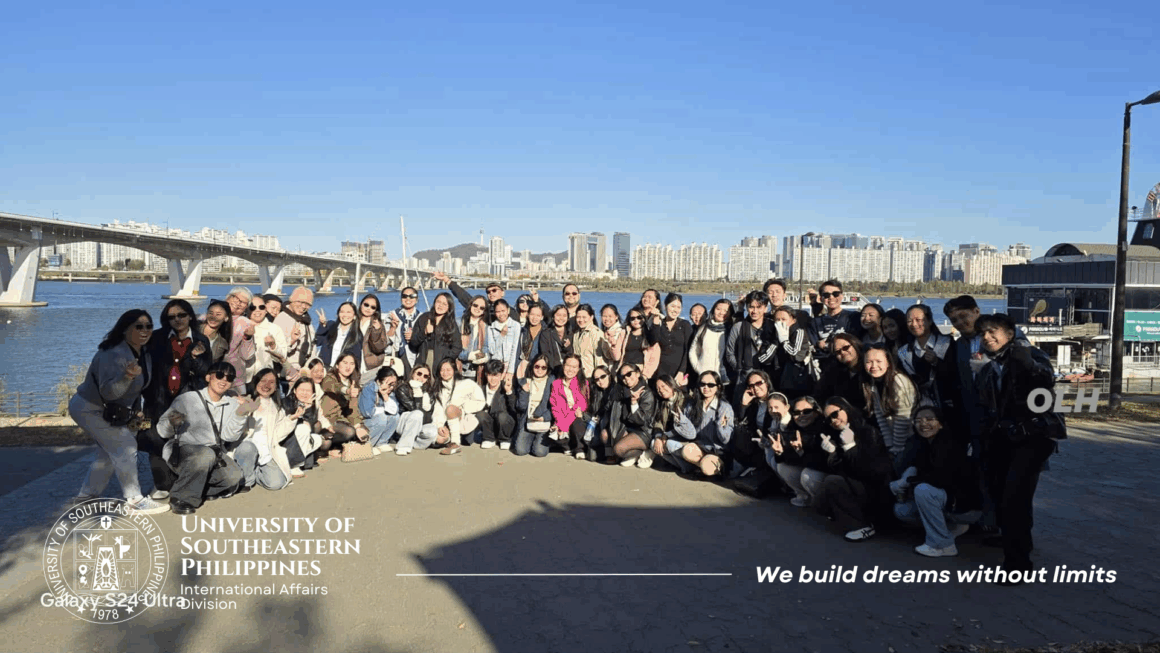
The Fourth-Year Bachelor of Science in Hospitality Management (BSHM) students of the University of Southeastern Philippines conducted an International Educational Tour (IET) 2025 from 04–11 November 2025, traversing selected learning sites in the Philippines and the Republic of Korea. The program was conceptualized as an experiential learning intervention designed to operationalize theory-to-practice integration in hospitality, tourism, and service management education.
The domestic component of the tour commenced in Manila and Laguna, where students undertook an industrial exposure visit to Gardenia Philippines. This engagement enabled participants to observe contemporary automated production systems, quality assurance frameworks, and food safety governance structures in high-volume manufacturing environments. Complementary learning activities were undertaken at the National Museum of the Philippines, Intramuros, and Fort Santiago, reinforcing critical reflection on the role of heritage conservation and historical narratives in sustainable tourism development and destination positioning.
Professional exposure was further enhanced through a technical and operational seminar conducted by MacroAsia Catering Services, which highlighted inflight catering logistics, aviation service protocols, and service quality management systems. Observational and reflective learning continued through hotel facility familiarization exercises and gastronomic tourism modules in Binondo, emphasizing the value of food heritage as a dimension of cultural tourism and entrepreneurial practice.
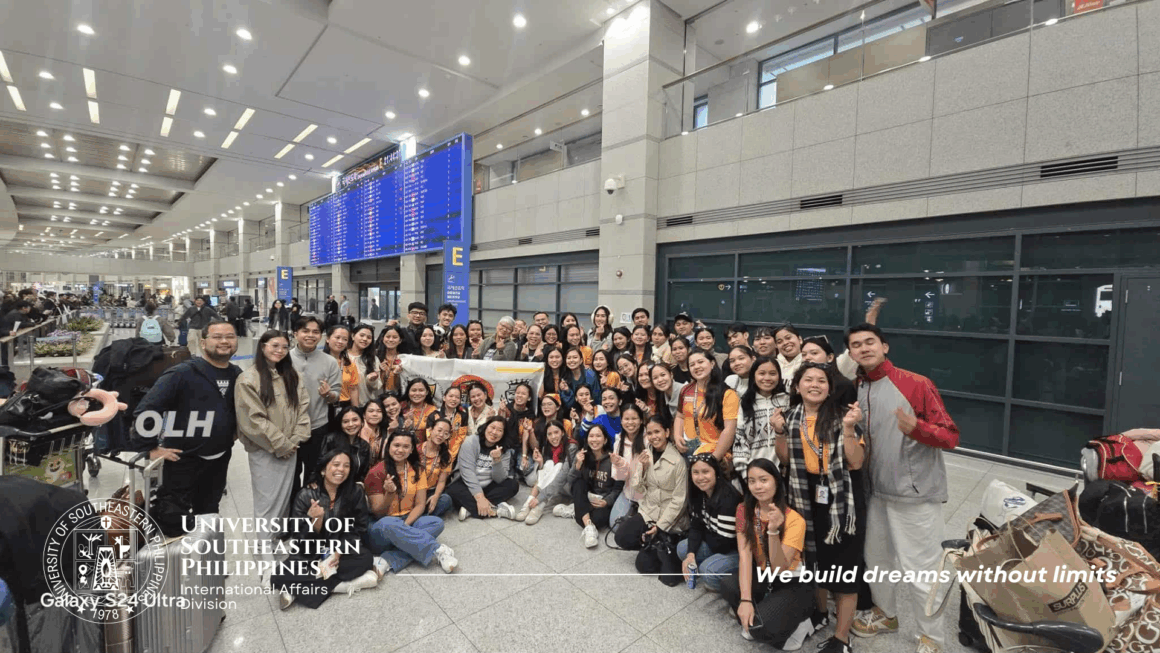
The international phase of the program was implemented in Seoul, Republic of Korea, beginning with an institutional exposure visit to Seoul National University. The visit functioned as a comparative academic lens through which students examined curricular internationalization, campus-based hospitality services, and global standards in higher education tourism-related programs. Applied learning was reinforced through a site-based analysis at Everland, where students engaged in structured observation of theme park management models, visitor circulation systems, and guest experience engineering.
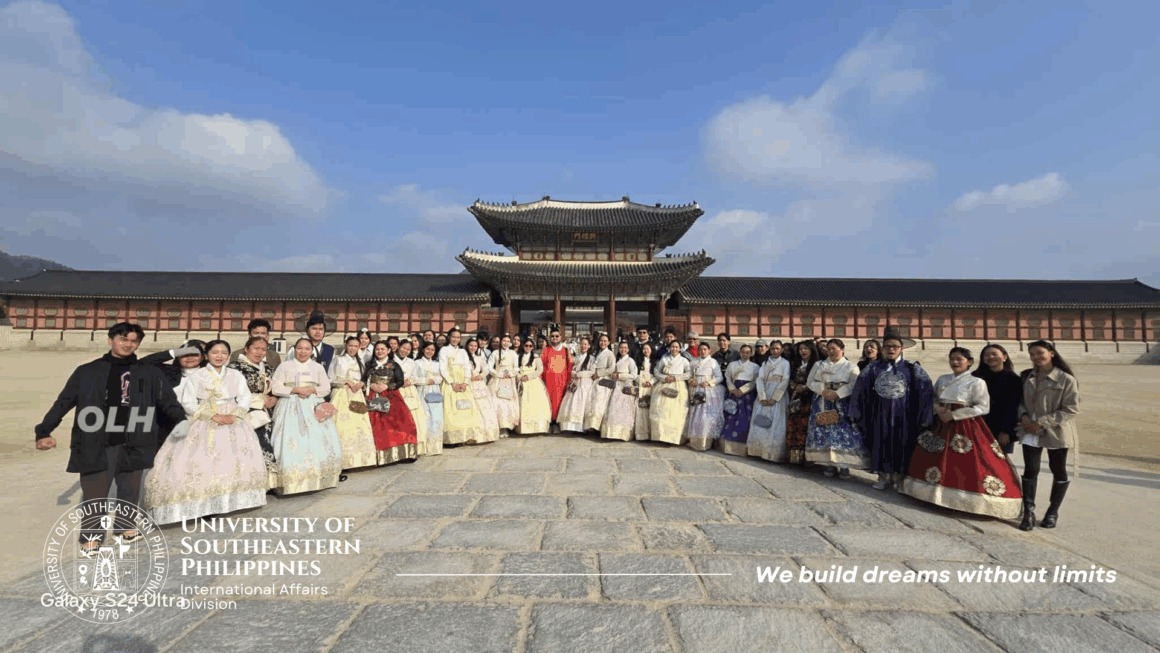
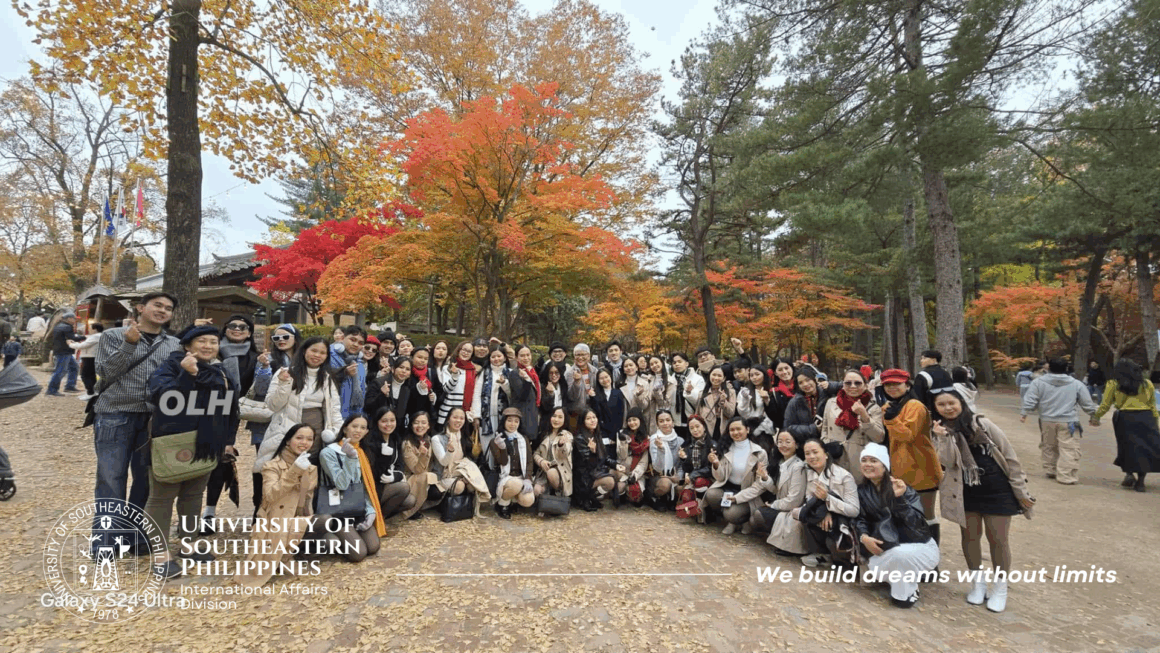
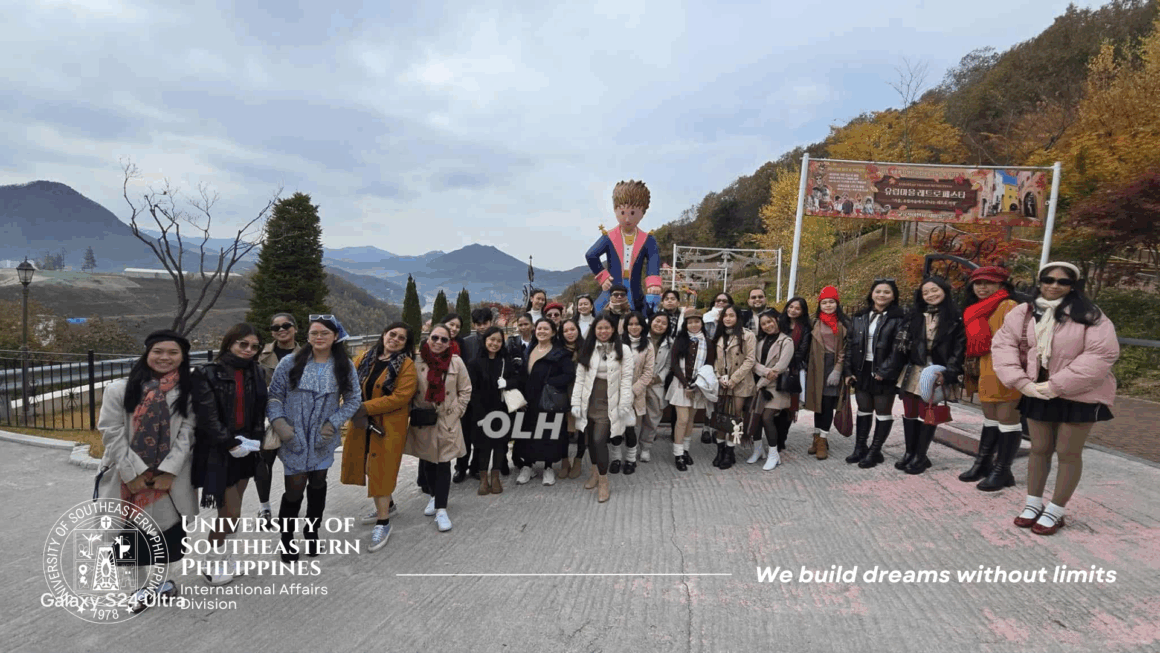
Cultural immersion was positioned as one of the main elements of the program. Key learning sites included Nami Island, Petite France, and N Seoul Tower, which served as empirical contexts for analyzing destination branding, experiential tourism frameworks, and urban visitor mobility. Heritage-based learning was further highlighted through engagements at Gyeongbokgung Palace and the National Folk Museum of Korea. Participatory workshops, including kimchi production and traditional hanbok wearing, were integrated to advance intercultural competence, embodied learning, and service empathy formation. Contemporary urban tourism dynamics were examined through structured field observations at COEX Starfield Library, K-POP Star Road, Seoul Forest, and selected commercial and youth-oriented districts. These environments functioned as living laboratories for analyzing creative tourism, popular culture commodification, and the spatial organization of leisure economies.
The International Educational Tour 2025 demonstrates the strategic value of transnational field-based learning in hospitality and tourism education. The program contributed to the development of professional reflexivity, cross-cultural literacy, and operational awareness among participants, while reinforcing the institutional internationalization agenda of the College of Business Administration. The successful completion of the tour affirms the role of experiential learning in producing globally competent hospitality and tourism graduates.
Leave a Reply